
































Why Visa Applications Feel Complicated (and Don’t Have to Be)
Visa applications rank among the most misunderstood parts of international travel. For many people, the word “visa” triggers instant anxiety — forms, embassies, interviews, bank statements, and the fear of rejection.
Here’s the truth, though, based on what we see at Every Moment Travels day to day: visa applications follow genuinely predictable patterns. Whether you’re traveling for tourism, studying abroad, attending a business conference, working overseas, or visiting family, the process is far more structured than it first appears.
This guide walks through the universal application process, then breaks down what changes by destination — the Schengen Area, the UK, Canada, the US, and Australia. Even if this is your first application, you’ll leave with a clear sense of what to do and why.
What Is a Visa?
A visa is official permission from a foreign country allowing you to enter, stay, or transit within its borders for a specific purpose and time. It’s linked to your passport, and you generally need to obtain it before travel, unless visa-free entry applies to your nationality.
Your passport proves who you are. Your visa explains why you’re entering another country and how long you’re allowed to stay. Every country sets its own rules for who needs a visa, what type applies, and how applications get processed.
Common Visa Types
Understanding these categories matters — applying under the wrong one almost always leads to refusal.
Tourist/Visitor Visa covers holidays, sightseeing, and visiting friends or relatives. Student Visa covers enrollment at universities, colleges, language schools, or exchange programs. Work Visa covers employment, internships, or skilled labor abroad, usually employer-sponsored. Business Visa covers meetings, conferences, and short training, but not long-term work. Transit Visa covers travelers passing through a country en route elsewhere. Family/Dependent Visa covers joining a spouse, parent, or family member already living abroad legally.
The Universal Application Process
Every country runs its own specific rules, but the vast majority of visa applications follow the same ten steps: choose the correct destination and visa type, check your eligibility and requirements, gather your required documents, complete the application form, pay the visa fee, book and attend your appointment, submit biometrics and documents, attend an interview if required, track your application, and receive your decision.
Here’s each step in more detail.
Step 1: Choose the Correct Destination and Visa Type
Before filling out any form, get clear on where you’re going, why, and for how long. Visit the official immigration or embassy website of your destination country and confirm the visa category, eligibility requirements, application process, and processing timeline directly from the source. Never rely solely on third-party blogs for requirements — rules change frequently, and official sites reflect current policy.
Step 2: Check Whether You Actually Need a Visa
Many travelers apply for visas they don’t actually need. Depending on your nationality, you may qualify for visa-free travel, visa on arrival, an electronic visa (eVisa), or an Electronic Travel Authorization (ETA). Some Schengen passport holders travel visa-free, Canada uses an eTA for short stays, and Australia and Turkey both offer eVisas. If a visa is genuinely required, move to the next step.
Step 3: Gather Your Required Documents
Requirements vary, but most visa applications ask for similar core documents: a valid passport with at least six months’ validity, a completed application form, passport photographs, proof of accommodation, proof of financial means, a travel itinerary or flight reservation, travel insurance, and your visa fee payment receipt.
Additional documents depend on your visa type. Tourist visas typically need a hotel booking or invitation letter, three to six months of bank statements, and an employment letter or business registration. Student visas typically need an offer or admission letter, proof of tuition payment, academic transcripts, and language test results. Work visas typically need a job offer or contract, employer sponsorship documents, and professional certificates.
Consistency matters more than any single document — everything you submit needs to tell the same story.
Step 4: Complete the Application Form Correctly
Visa forms come as online applications, downloadable PDFs, or paper forms submitted in person. Use the exact details from your passport, never guess an answer, avoid abbreviations, answer honestly, and double-check every spelling and date. Small mistakes — mismatched dates especially — can cause real delays or outright refusals.
Step 5: Pay the Visa Application Fee
Fees depend on the country, visa type, duration, and processing speed you choose, and you can typically pay online, by bank transfer, or in person at a visa center. Visa fees are almost always non-refundable, even if your application gets rejected — budget accordingly.
Step 6: Book Your Visa Appointment
Many countries require applicants to visit a Visa Application Center for document submission, biometrics, and sometimes an interview. Popular centers include VFS Global, TLScontact, and BLS International. Book early — appointment slots fill quickly, especially during peak travel season.
Step 7: Prepare for Your Interview
Not every visa requires an interview, but preparation matters wherever one does. Expect questions like why you’re traveling, how long you’ll stay, who’s sponsoring your trip, what you do at home, and what you’ll do after your visa expires. Dress professionally, stay confident and honest, carry your original documents, and keep your answers short and clear. Officers are assessing your credibility, your genuine intent, and your ties to your home country.
Step 8: Submit Biometrics and Documents
At the visa center, you’ll submit your documents, provide fingerprints, and take a digital photo. Make sure your documents are neatly arranged, translations are certified where required, and every copy is clear and legible.
Step 9: Track Your Application
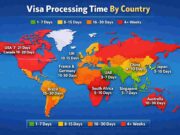
After submission, you’ll receive a tracking number along with SMS or email updates. Processing time varies widely — eVisas often clear in 24–72 hours, tourist visas typically take one to four weeks, and student or work visas can take several weeks to months. Avoid booking non-refundable flights until your approval actually comes through.
Step 10: Receive Your Decision
You’ll get one of three outcomes: approval, refusal, or a request for additional documents. If approved, check your visa’s validity dates, confirm the number of entries allowed, and read every condition carefully before you travel.
Requirements by Popular Destination

Schengen Visa (Europe – 29 Countries)
The Schengen Area now covers 29 countries, following Bulgaria and Romania’s full accession on January 1, 2025. A Schengen visa covers tourism, business, and family visits, with validity up to 90 days.
Key requirements include travel insurance with a minimum €30,000 in coverage, proof of accommodation, bank statements, and a cover letter explaining your travel plans. Apply at the embassy of your main destination country, or your first country of entry if your trip splits across several.
United Kingdom Visa
Common UK visas include the Standard Visitor Visa, Student Visa, and Skilled Worker Visa. Applications run fully online, require biometrics, and get decided by UKVI. UK applications weigh financial stability and travel history heavily.
Canada Visa
Popular categories include the Visitor Visa, Study Permit, and Work Permit, all submitted through the IRCC online portal. Biometrics are required, and medical exams apply for longer stays.
United States Visa
Common US visas include the B1/B2 Visitor Visa, F1 Student Visa, and J1 Exchange Visa. The process runs through the DS-160 form, visa fee payment, and an embassy interview. US interviews focus strongly on home ties and genuine intent to return.
Australia Visa
Common visas include the Visitor Visa (Subclass 600) and Student Visa (Subclass 500), applied for through the online ImmiAccount system, which includes health and character assessments.
Common Reasons for Visa Rejection
Insufficient funds, weak ties to your home country, inconsistent documents, an unclear travel purpose, unverifiable information, and past immigration violations account for most rejections. A refusal isn’t permanent — you can reapply with stronger documentation addressing the specific reason cited.
For a deeper breakdown of these, our full guide to common visa mistakes covers each one and how to fix it.
How Long Does a Visa Application Take?
| Visa Type | Average Processing Time |
|---|---|
| Tourist | 1–4 weeks |
| Student | 4–12 weeks |
| Work | 1–6 months |
| eVisa | 24–72 hours |
Frequently Asked Questions
When should I apply for a visa? Apply two to three months before travel where possible.
Can I apply without any travel history? Yes — strong financial proof and clear home ties can carry an application even without a travel history.
Do embassies require paid flight tickets? Most accept flight reservations rather than fully paid tickets.
Can someone sponsor my visa? Yes, depending on the visa type — sponsorship documentation just needs to be clear and consistent.
What happens if my visa gets refused? You can typically reapply or appeal, depending on the specific country’s rules.
Final Tips for a Successful Application
Start early, rely on official sources, stay honest and consistent across every document, organize your paperwork professionally, and avoid any agent promising a “guaranteed visa” — no legitimate agent can make that promise.
Conclusion
Visa applications don’t have to be intimidating. With real preparation, honest documentation, and a clear understanding of the process, most travelers succeed on their first attempt.
Bookmark this guide, update your documents as needed, and return to it anytime you’re planning international travel. If you’d like professional assistance with your visa application, reach out to us at everymomenttravels@gmail.com.