

















Traveling internationally is exciting — new cultures, new experiences, and unforgettable memories. But unexpected situations can turn a dream trip into a stressful experience and this is why this complete travel insurance guide is very important.
Medical emergencies, lost luggage, trip cancellations, or flight delays can cost thousands of dollars if you’re not prepared and this is where travel insurance becomes essential.
Many travelers skip travel insurance because they assume nothing will go wrong. Unfortunately, accidents, illnesses, and travel disruptions happen every day. A single emergency medical treatment abroad can cost $5,000–$50,000 or more, depending on the country and the severity of the issue.
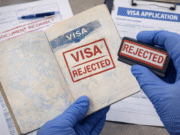
For students, tourists, business travelers, and digital nomads, travel insurance is often required for visa approval, especially when applying for visas to countries in Europe, North America, or Asia.
In this complete travel insurance guide, you will learn:
- What travel insurance is
- Why it is essential for international travel
- What travel insurance covers
- Types of travel insurance policies
- How to choose the best policy
- Travel insurance requirements for visas
- Common mistakes travelers make
- Expert tips for saving money on coverage
By the end of this guide, you will understand how to protect your trip and avoid expensive travel risks.
What Is Travel Insurance?

Travel insurance is a financial protection plan that covers unexpected problems during a trip.
It protects travelers against risks such as:
- Medical emergencies abroad
- Trip cancellation
- Flight delays
- Lost baggage
- Passport theft
- Emergency evacuation
Instead of paying expensive costs out of pocket, the insurance company covers part or all of the expenses depending on your policy.
Travel insurance works similarly to other insurance plans:
- You purchase a policy before your trip.
- If an unexpected problem occurs during travel.
- You file a claim with the insurer.
- The insurance company reimburses eligible expenses.
Travel insurance policies can cover single trips, multiple trips, students, families, or business travelers.
Why Travel Insurance Is Important
Many travelers underestimate the importance of travel insurance until something goes wrong.
Here are some reasons why travel insurance is essential.
1. Medical Treatment Abroad Is Expensive
Healthcare costs in some countries are extremely high.
Example costs:
| Country | Average Emergency Room Visit |
| USA | $1,200 – $3,000 |
| Canada | $800 – $1,500 |
| UK | $500 – $1,200 |
| Australia | $700 – $2,000 |
Without insurance, travelers must pay the full amount themselves.
2. Many Countries Require Insurance for Visa Applications
Travel insurance is mandatory for several visas.
Examples include:
| Destination | Insurance Requirement |
| Schengen countries | Minimum €30,000 coverage |
| UAE | Required for tourist visas |
| Cuba | Mandatory for entry |
| Turkey | Required for visa application |
| Thailand | Required for certain visa types |
If you apply without valid travel insurance, your visa may be rejected.
3. Flights Get Cancelled or Delayed
Weather problems, airline strikes, and operational issues cause thousands of flight disruptions every year.
Travel insurance may cover:
- Hotel accommodation
- Meal expenses
- Rebooking flights
4. Luggage Gets Lost
Airlines lose millions of bags every year.
Travel insurance can reimburse:
- Clothing
- Electronics
- Travel essentials
- Replacement items
What Travel Insurance Covers
Travel insurance coverage varies depending on the policy, but most comprehensive plans include the following protections.
1. Emergency Medical Coverage
This is the most important part of travel insurance.
It covers medical expenses if you get sick or injured during your trip.
Typical coverage includes:
- Hospital treatment
- Doctor visits
- Prescription medication
- Emergency surgery
- Ambulance services
Some policies also include COVID-19 coverage.
2. Emergency Medical Evacuation
If you experience a serious medical emergency, you may need to be transported to another hospital or country.
Medical evacuation can cost $25,000–$250,000.
Travel insurance can cover:
- Air ambulance
- Emergency flights
- Transport to nearest hospital
3. Trip Cancellation
Trip cancellation coverage reimburses prepaid travel expenses if you cancel your trip due to:
- Illness
- Injury
- Death in the family
- Natural disasters
- Travel restrictions
Covered expenses may include:
- Flights
- Hotels
- Tour packages
- Event tickets
4. Trip Interruption
If your trip is interrupted after it starts, insurance may reimburse:
- Unused hotel nights
- Unused tours
- Emergency return flights
5. Lost or Delayed Baggage
Coverage may include:
- Lost luggage
- Stolen items
- Damaged baggage
- Essential items during baggage delay
6. Passport or Document Loss
If your passport is stolen or lost abroad, travel insurance may cover:
- Replacement costs
- Emergency travel documents
- Assistance services
Types of Travel Insurance Policies
Understanding the types of travel insurance helps travelers choose the best coverage.
1. Single Trip Insurance
This policy covers one trip only.
Best for:
- Vacation travelers
- Occasional travelers
- Students traveling once per year
2. Multi-Trip Insurance
Also called annual travel insurance, this covers multiple trips within one year.
Best for:
- Frequent travelers
- Business travelers
- Digital nomads
3. Student Travel Insurance
Student travel insurance is designed for people studying abroad.
Coverage often includes:
- Extended medical coverage
- Mental health services
- Study interruption protection
Many universities require this policy.
4. Family Travel Insurance
Family policies cover multiple travelers under one plan.
Advantages:
- Cheaper than individual policies
- Simplified documentation
- Shared coverage limits
5. Comprehensive Travel Insurance
This is the most complete travel insurance coverage plan.
It typically includes:
- Medical insurance
- Trip cancellation
- Baggage protection
- Travel delay coverage
- Emergency evacuation
Step-by-Step Guide to Choosing the Best Travel Insurance

Choosing the right travel insurance policy requires careful planning.
Follow this step-by-step process.
Step 1: Determine Your Destination
Different destinations have different risks.
For example:
- USA → expensive healthcare
- Europe → visa insurance requirement
- Southeast Asia → adventure activity risks
Step 2: Calculate Your Trip Cost
Add the cost of:
- Flights
- Hotels
- Tours
- Transportation
This determines how much trip cancellation coverage you need.
Step 3: Compare Coverage Limits
Look for policies with:
| Coverage Type | Recommended Minimum |
| Medical | $100,000 |
| Medical evacuation | $250,000 |
| Trip cancellation | 100% trip cost |
| Baggage loss | $1,000+ |
Step 4: Check Policy Exclusions
Most policies do not cover certain situations, such as:
- Extreme sports
- Pre-existing medical conditions
- Alcohol-related incidents
Always read the policy details carefully.
Step 5: Compare Insurance Providers
Check:
- Reviews
- Claim success rates
- 24/7 emergency assistance
Reliable insurers make claims easier.
Travel Insurance Requirements for Visa Applications
Many visa applications require travel insurance as part of the documentation.
Example:
Schengen Visa Insurance Requirements
| Requirement | Details |
| Minimum coverage | €30,000 |
| Coverage area | Entire Schengen region |
| Medical evacuation | Required |
| Validity | Entire travel duration |
If your insurance does not meet these requirements, your visa application may be refused.
Travel Insurance Checklist
Before purchasing travel insurance, confirm the following.
- ✔ Medical coverage of at least $100,000
- ✔ Emergency evacuation coverage
- ✔ Trip cancellation protection
- ✔ Coverage for baggage loss
- ✔ COVID-19 medical coverage
- ✔ 24/7 emergency assistance
- ✔ Coverage in destination country
- ✔ Policy validity for entire trip
Expert Tips for Choosing Travel Insurance
Experienced travelers follow these smart strategies.
Buy Insurance Immediately After Booking
Purchasing insurance soon after booking your trip allows you to access trip cancellation benefits earlier.
Choose Higher Medical Coverage
Medical emergencies abroad can be extremely expensive. Choose higher coverage limits whenever possible.
Check Your Credit Card Benefits
Some credit cards offer limited travel insurance benefits, including:
- Trip delay protection
- Rental car insurance
- Baggage coverage
However, they often do not include full medical coverage.
Consider Adventure Coverage
If your trip includes activities like:
- Skiing
- Scuba diving
- Hiking
Make sure your policy includes adventure sports coverage.
Common Travel Insurance Mistakes
Many travelers make avoidable mistakes when purchasing insurance.
Buying the Cheapest Policy
Cheap policies often have:
- Low coverage limits
- Many exclusions
- Difficult claims processes
Always compare coverage, not just price.
Ignoring Policy Exclusions
Many travelers assume everything is covered.
Common exclusions include:
- High-risk activities
- Pre-existing medical conditions
- Travel to restricted areas
Buying Insurance Too Late
If you wait until the last minute, you may lose cancellation protection benefits.
Not Keeping Receipts
Insurance claims require proof of loss.
Always keep:
- Medical receipts
- Airline documents
- Police reports (for theft)
Travel Insurance Cost
Travel insurance usually costs 4%–10% of your total trip cost.
Example:
| Trip Cost | Average Insurance Cost |
| $1,000 | $40 – $80 |
| $3,000 | $120 – $240 |
| $5,000 | $200 – $400 |
Factors affecting price include:
- Age
- Destination
- Trip duration
- Coverage level
Frequently Asked Questions (FAQs)
Is travel insurance mandatory?
It depends on the destination. Some countries require travel insurance for visa approval.
Does travel insurance cover COVID-19?
Many modern travel insurance plans include COVID-19 medical coverage, but not all policies.
Can I buy travel insurance after booking a flight?
Yes. You can purchase travel insurance after booking your trip, but it is better to buy it as soon as possible.
Does travel insurance cover flight cancellation?
Yes, if the cancellation is due to a covered reason such as illness, natural disasters, or airline disruption.
Is travel insurance worth it?
Yes. Travel insurance protects travelers from financial losses caused by unexpected travel problems.
Conclusion
Travel insurance is one of the most important protections for international travelers. Whether you are traveling for tourism, study abroad, or business, unexpected situations can happen at any time.
A good travel insurance policy protects you from:
- Expensive medical emergencies
- Flight cancellations
- Lost baggage
- Travel interruptions
- Emergency evacuations
Instead of risking thousands of dollars in unexpected expenses, travelers can secure peace of mind with a reliable insurance policy. Before your next trip, take time to compare policies, check coverage limits, and read the terms carefully. The right travel insurance plan ensures that you can travel confidently and focus on enjoying your journey.