



















Traveling to Europe is a dream for millions, whether it’s wandering through the lavender fields of Provence, navigating the historic ruins of Rome, or catching the Northern Lights in Iceland. However, between the excitement of booking flights and choosing the perfect Airbnb, many travelers overlook a critical safety net: Travel Insurance.
The reality is that travel can be unpredictable. A sudden illness in a country where you don’t speak the language, a stolen passport in a crowded metro station, or a flight cancellation due to a strike can turn a dream vacation into a financial and emotional nightmare. In 2026, with evolving travel regulations and the increasing cost of medical care globally, having the right coverage isn’t just a “nice to have”—it’s a necessity.
This comprehensive guide will walk you through everything you need to know to secure the best travel insurance for Europe, ensuring you stay protected without overpaying.
What Is Travel Insurance for Europe?
Travel insurance is a policy that covers unexpected events during your trip, including:
- Medical emergencies
- Trip cancellations or interruptions
- Lost or delayed baggage
- Flight delays
- Emergency evacuation
For Europe, especially Schengen visa applicants, insurance must meet specific requirements.
The Europe Travel Dilemma: Why You Need Coverage
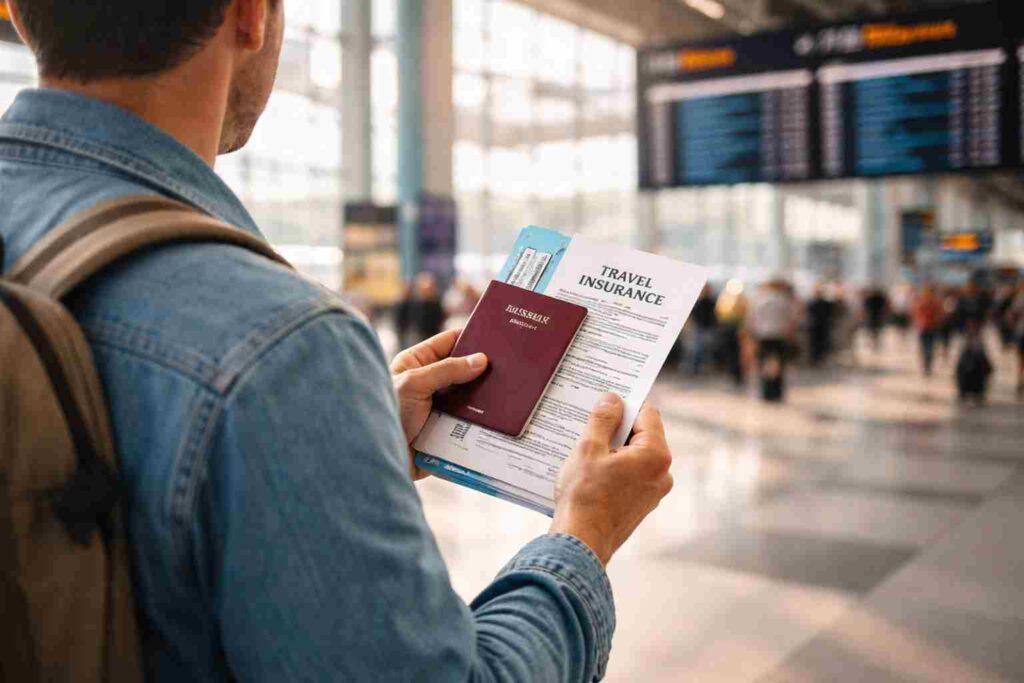
Many travelers assume their domestic health insurance or credit card benefits are enough. This is a dangerous misconception.
- The Schengen Requirement: If you require a Schengen Visa to enter Europe, you are legally mandated to have travel insurance with a minimum coverage of €30,000 for medical expenses and repatriation.
- Reciprocal Health Care Limitations: Even if you are from a country with a reciprocal agreement (like the UK’s GHIC), these often only cover “necessary” state healthcare, not private clinics or emergency medical evacuation back home.
- The Cost of “What If”: An emergency medical evacuation from Europe to North America or Australia can easily exceed $50,000.
Before buying insurance, read our Complete Guide to Tourist Visas”
Step-by-Step Guide: How to Choose the Right Policy
Choosing insurance shouldn’t feel like a gamble. Follow this step-by-step process to find a plan that fits your itinerary.
Step 1: Define Your Trip Profile
Before looking at quotes, define your needs:
- Duration: Are you going for a weekend or a 6-month backpacking trip?
- Activities: Will you be skiing in the Alps or sitting in cafes? (Standard policies often exclude “high-risk” sports).
- Value of Gear: Are you carrying expensive camera equipment or just a smartphone?
Step 2: Compare Comprehensive vs. Basic Plans
- Basic Plans: Usually cover emergency medical and some trip cancellation.
- Comprehensive Plans: Include “Cancel For Any Reason” (CFAR), baggage loss, dental emergencies, and higher coverage limits.
Step 3: Check for “Schengen Compliance”
If you need a visa, ensure the provider offers a Visa Letter immediately upon purchase. This document is required by embassies to prove you meet the €30,000 threshold.
Step 4: Evaluate the Claims Process
A policy is only as good as its payout. Look for providers with 24/7 emergency assistance and an easy-to-use digital claims portal.
Mandatory Checklist: What Your Policy Must Have
Don’t sign on the dotted line unless your policy includes these “Big Five” requirements:
| Requirement | Minimum Recommended Limit | Why It Matters |
| Emergency Medical | $100,000 – $250,000 | Covers hospital stays, surgeries, and doctor visits. |
| Medical Evacuation | $300,000+ | Covers the cost of a medevac flight back to your home country. |
| Trip Cancellation | 100% of Trip Cost | Protects your investment if you can’t go due to illness or family emergency. |
| Baggage/Personal Effects | $1,000 – $2,500 | Reimburses stolen or lost luggage and tech. |
| 24/7 Assistance | Included | A dedicated hotline to help find local doctors or legal aid. |
Comparison Table: Top Travel Insurance Providers for 2026
| Provider | Best For… | Key Feature | Average Price Score |
| World Nomads | Adventurous Travelers | Covers 200+ adventure activities. | Moderate |
| Allianz Care | Families & Seniors | Massive global network and high reliability. | Premium |
| SafetyWing | Digital Nomads | Subscription-based model; very affordable. | Budget |
| InsureMyTrip | Comparing Plans | Excellent for finding specialized senior coverage. | Variable |
| Travelex | Family Value | Children are often covered at no extra cost. | Moderate |
Expert Tips for Saving Money on Europe Insurance
- Check Your Credit Card First: Premium cards (like Amex Platinum or Chase Sapphire Reserve) offer decent trip delay and cancellation coverage. However, they are usually weak on high-limit medical evacuation. Use them to supplement, not replace, a dedicated policy.
- Opt for an Annual Policy: If you plan to travel more than twice a year, a “Multi-trip Annual Policy” is significantly cheaper than buying individual plans for every trip.
- Adjust Your Deductible: Just like car insurance, raising your deductible (the amount you pay out of pocket before insurance kicks in) will lower your monthly premium.
- Buy Early: Purchase your insurance the same day you book your flights. This ensures you are covered for “Pre-existing Conditions” (if the policy allows) and immediate trip cancellation triggers.
You can also save money with our Cheap International Flights Guide
Common Mistakes to Avoid
- Ignoring the “Fine Print” on Pre-existing Conditions: Most policies won’t cover a condition you’ve been treated for in the last 60–180 days unless you buy a specific waiver.
- Assuming All of Europe is Covered: Some policies distinguish between “Europe” and “Worldwide.” Additionally, double-check if countries like Turkey or Russia are included in your “Europe” definition.
- Not Reporting Theft Within 24 Hours: If your phone is stolen in Barcelona, you must get a police report within 24 hours. Without that paperwork, your insurance claim will likely be denied.
- Drinking and Incidents: Almost all travel insurance policies have an “Alcohol Exclusion Clause.” If you get injured while intoxicated, the insurer will likely refuse to pay.
in case of a flight delay, click here to download a sample of an official delay statement to the airline for your claim.
How To Make A Claim
Filing an insurance claim can feel like navigating a maze while wearing a blindfold, but the secret to a successful payout lies in documentation and speed. If something goes wrong in Europe, follow these five steps to ensure your claim isn’t dead on arrival.
1. Contact Your Insurer Immediately
Before you check out of a hospital or rebook a flight, call your provider’s 24/7 Emergency Assistance line.
- Why: They can often arrange “direct billing” with hospitals so you don’t have to pay thousands out of pocket.
- Pro Tip: Keep your policy number saved in your phone’s “Emergency Contact” section.
2. The “24-Hour Rule” for Theft
If you are a victim of theft or loss, you must obtain a police report within 24 hours of the incident.
- Insurance companies rarely honor claims for stolen items without an official report from local authorities.
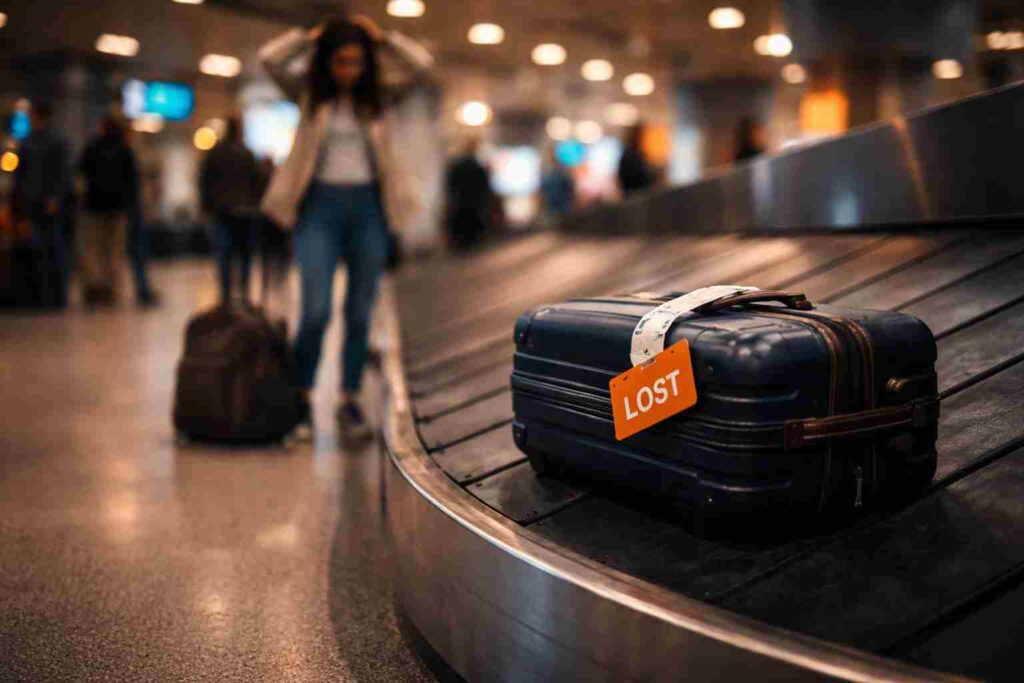
- If a common carrier (like an airline) loses your bag, get a Property Irregularity Report (PIR) before leaving the airport.
3. Gather Your “Paper Trail”
Think of yourself as a forensic investigator. You need proof for every cent you claim:
- Medical: Itemized bills, discharge summaries, and a “Fit to Fly” certificate if your return is delayed.
- Cancellations: Documentation from the airline or tour operator confirming the reason for the delay or cancellation.
- Receipts: Keep original receipts for any emergency purchases (like toiletries or a change of clothes if your bag is lost).
4. Submit via the Digital Portal
Most modern insurers (like World Nomads or SafetyWing) allow you to file claims via their app or website.
- Upload clear photos of all your documents.
- Be concise but specific in your description of the event.
- Avoid jargon: Just state the facts—what happened, where, and when.
5. Track and Follow Up
Once submitted, you’ll receive a Claim Reference Number.
- Check your email regularly for requests for “additional information.”
- The industry standard for a decision is usually 30 to 45 days, though some “instant” insurers are faster.
The Golden Rule: Never throw away an original receipt or medical report until the money is in your bank account.
If you need a complete checklist of the travel insurance claim evidence, click here
Travel Insurance Comparison (Estimated 2026 Rates)
| Policy Tier | Best For | Typical Coverage | Estimated Cost (7-14 Days) |
| Basic / Essential | Budget travelers, low-risk areas. | $50k Medical, Trip Cancellation. | $40 – $70 |
| Preferred / Standard | Families & International trips. | $100k+ Medical, Baggage, Delay. | $80 – $130 |
| Premium / Luxury | Adventure sports, high-cost trips. | $500k Medical, “Cancel for Any Reason.” | $150 – $250+ |
- Age: This is the most significant “risk” lever. Once a traveler passes 65, premiums often increase by 20% to 50% because the statistical likelihood of a medical claim rises.
- Destination: Traveling to the United States or remote islands usually spikes the price due to high local healthcare costs or evacuation logistics. Western Europe remains relatively “mid-range.”
- Trip Duration: Most plans use a daily rate, but you often see a “cliff” after 31 days, where policies transition from “Single Trip” to “Long-Stay” or “Digital Nomad” pricing.
Current Top-Rated Providers for 2026
- Allianz Global Assistance: Known for the best mobile app integration and real-time flight delay payments.
- World Nomads: The go-to for gear coverage and adventurous activities (hiking, scuba, etc.).
- Travelex: Often ranked #1 for families, as they frequently offer “kids fly free” equivalent coverage.
Note: These are estimates. To give you a precise breakdown, I just need a few specifics from you:
- What is your age (or age range)?
- What is your destination?
- How many days will you be traveling?
Frequently Asked Questions (FAQs)
Does travel insurance cover COVID-19 in 2026?
Most reputable providers now treat COVID-19 like any other illness. If you contract it and cannot travel or require hospitalization, it is covered under the medical and cancellation portions of your policy.
Is the “Global Health Insurance Card” (GHIC) enough for UK citizens?
No. The GHIC only covers state-provided healthcare. It does not cover mountain rescue, repatriation to the UK, or lost baggage.
Can I buy insurance after I’ve already started my trip?
Yes, but options are limited. Companies like World Nomads and SafetyWing allow you to buy coverage while already abroad, though there is usually a 48–72 hour waiting period before the policy becomes active.
Does travel insurance cover flight delays?
Yes, but usually only after a certain window (e.g., 6 or 12 hours). It will reimburse you for “reasonable” expenses like a hotel stay and meals during the delay.
Don’t forget accommodation—see our Complete Hotel Booking Guide”

Conclusion
Securing the best travel insurance for Europe isn’t just about ticking a box for a visa—it’s about protecting your health, your finances, and your peace of mind. Whether you choose the rugged flexibility or the budget-friendly, the goal is to ensure that a mishap in Munich or a fever in Florence doesn’t end your journey prematurely.
{ “@context”: “https://schema.org”, “@graph”: [ { “@type”: “Article”, “mainEntityOfPage”: { “@type”: “WebPage”, “@id”: “https://yourwebsite.com/best-travel-insurance-europe/” }, “headline”: “The Ultimate Guide to the Best Travel Insurance for Europe (2026)”, “description”: “Comprehensive guide to finding the best travel insurance for Europe in 2026. Includes Schengen requirements, provider comparisons, and expert tips for claims.”, “image”: “https://yourwebsite.com/images/traveler-reviewing-insurance.jpg”, “author”: { “@type”: “Person”, “name”: “SEO Specialist Writer”, “url”: “https://yourwebsite.com/author/editorial-team/” }, “publisher”: { “@type”: “Organization”, “name”: “Your Travel Brand”, “logo”: { “@type”: “ImageObject”, “url”: “https://yourwebsite.com/logo.png” } }, “datePublished”: “2026-03-19”, “dateModified”: “2026-03-19” }, { “@type”: “FAQPage”, “mainEntity”: [ { “@type”: “Question”, “name”: “Does travel insurance cover COVID-19 in 2026?”, “acceptedAnswer”: { “@type”: “Answer”, “text”: “Yes, most reputable providers in 2026 treat COVID-19 as any other illness. If you contract it and require hospitalization or cannot travel, it is covered under medical and cancellation benefits.” } }, { “@type”: “Question”, “name”: “Is the Global Health Insurance Card (GHIC) enough for UK citizens?”, “acceptedAnswer”: { “@type”: “Answer”, “text”: “No. The GHIC only covers state-provided healthcare. It does not cover mountain rescue, medical repatriation to the UK, or theft of personal belongings.” } }, { “@type”: “Question”, “name”: “Can I buy insurance after I’ve already started my trip?”, “acceptedAnswer”: { “@type”: “Answer”, “text”: “Yes, providers like World Nomads and SafetyWing allow you to purchase coverage while already abroad, though a 48-72 hour waiting period usually applies.” } }, { “@type”: “Question”, “name”: “Does travel insurance cover flight delays?”, “acceptedAnswer”: { “@type”: “Answer”, “text”: “Yes, travel insurance typically reimburses reasonable expenses like meals and hotels if your flight is delayed beyond a specific window, usually 6 or 12 hours.” } } ] } ] } { “@context”: “https://schema.org”, “@type”: “BreadcrumbList”, “itemListElement”: [ { “@type”: “ListItem”, “position”: 1, “name”: “Home”, “item”: “https://yourwebsite.com/” }, { “@type”: “ListItem”, “position”: 2, “name”: “Travel Guides”, “item”: “https://yourwebsite.com/travel/” }, { “@type”: “ListItem”, “position”: 3, “name”: “Best Europe Travel Insurance”, “item”: “https://yourwebsite.com/best-travel-insurance-europe/” } ] }