

































Every week, our team at Every Moment Travels fields the same question from clients preparing to travel abroad: “Do I actually need travel insurance, or is it just another expense?” It usually comes up right after we help someone with flights and visa paperwork, once the excitement of an upcoming trip meets the reality of everything that could go wrong along the way.
Here’s a scenario we see often: a client books a trip to visit family in Europe, only to be told their Schengen visa application will be rejected unless they can show at least €30,000 in medical coverage. Or a traveler heading to the US falls ill on day three of their trip and is handed a hospital bill that, without coverage, would have wiped out their entire travel budget. These aren’t rare edge cases — they’re exactly the situations travel insurance exists to prevent.
This guide walks through what travel insurance actually covers, how much it costs, and how to choose a policy that fits your trip — based on the questions we field most often from travelers.
What Is Travel Insurance?
Travel insurance is a financial protection plan that covers unexpected problems during a trip — medical emergencies abroad, trip cancellation, flight delays, lost baggage, passport theft, and emergency evacuation. Instead of paying these costs entirely out of pocket, your insurer covers part or all of the expense, depending on your policy.
The mechanics are simple: you buy a policy before your trip, and if something goes wrong while you’re traveling, you file a claim and the insurer reimburses eligible expenses. Policies can cover a single trip, multiple trips over a year, students, families, or business travelers — the right structure depends on how you travel.
Why Travel Insurance Matters
Medical treatment abroad is genuinely expensive
Healthcare costs vary enormously by country, and travelers are often surprised by just how much a routine emergency room visit costs outside their home country:
| Country | Average Emergency Room Visit |
|---|---|
| USA | $1,200 – $3,000 |
| Canada | $800 – $1,500 |
| UK | $500 – $1,200 |
| Australia | $700 – $2,000 |
Without insurance, you’re responsible for the full amount — and these figures are for routine visits, not surgery or hospitalization, which can run into the tens of thousands.
Many visas require it outright
This is the part that catches travelers off guard most often. Insurance isn’t just a personal financial decision — for several destinations, it’s a hard visa requirement:
| Destination | Insurance Requirement |
|---|---|
| Schengen countries | Minimum €30,000 coverage |
| UAE | Required for tourist visas |
| Cuba | Mandatory for entry |
| Turkey | Required for visa application |
| Thailand | Required for certain visa types |
Apply without valid coverage that meets these minimums, and your visa application can be rejected outright — a mistake we see cost travelers weeks of delay.
Flights get disrupted, and luggage gets lost
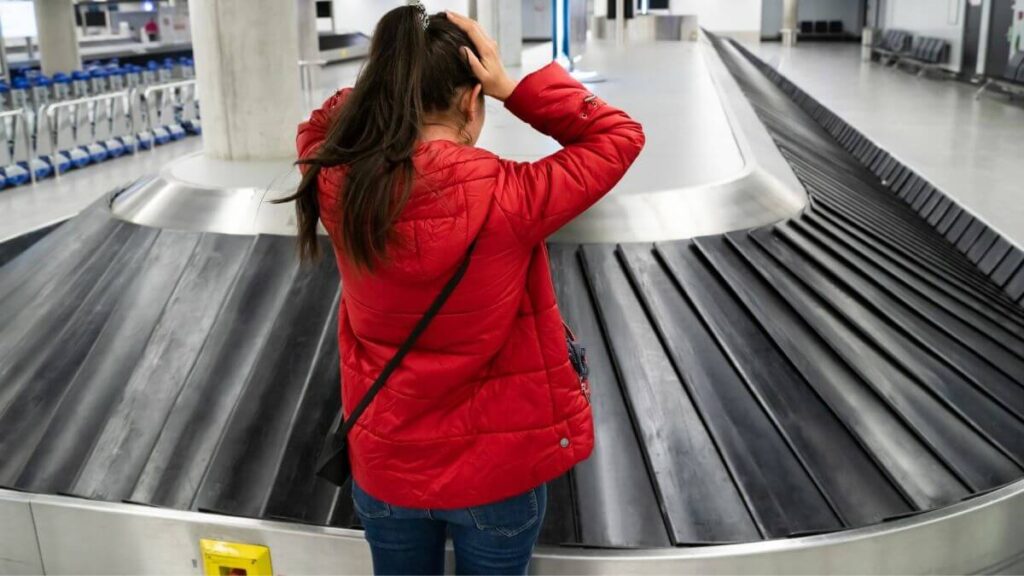
Weather, strikes, and operational issues cause travel disruptions constantly. Depending on your policy, travel insurance can cover hotel accommodation, meals, and rebooking costs when a flight is delayed or cancelled — and airlines lose or delay millions of bags a year, with insurance able to reimburse clothing, electronics, and other essentials in the meantime.
What Travel Insurance Covers
Coverage varies by policy, but most comprehensive plans include the following.
Emergency medical coverage is the core of any policy — hospital treatment, doctor visits, prescription medication, emergency surgery, and ambulance services. Many current policies also include COVID-19 coverage.
Emergency medical evacuation covers being transported to another hospital or country if local care isn’t sufficient. This is worth paying attention to specifically: evacuation can cost anywhere from $25,000 to $250,000 depending on distance and urgency, and it’s one of the most expensive things to pay for without coverage.
Trip cancellation reimburses prepaid expenses — flights, hotels, tours, event tickets — if you have to cancel due to illness, injury, a death in the family, a natural disaster, or travel restrictions.
Trip interruption covers unused hotel nights, unused tours, and emergency return flights if your trip is cut short after it’s already begun.
Lost or delayed baggage covers lost, stolen, or damaged luggage, along with essential items you need to buy during a baggage delay.
Passport or document loss covers replacement costs, emergency travel documents, and assistance services if your passport is stolen or lost abroad.
Types of Travel Insurance Policies
- Single trip insurance covers one trip only — the right fit for vacation travelers, occasional travelers, and students traveling once a year.
- Multi-trip (annual) insurance covers multiple trips within a year, and suits frequent travelers, business travelers, and digital nomads.
- Student travel insurance is built for people studying abroad, often including extended medical coverage, mental health services, and study interruption protection. Many universities require this specific type.
- Family travel insurance covers multiple travelers under one plan, and is usually cheaper than buying individual policies with simplified documentation and shared coverage limits.
- Comprehensive travel insurance is the broadest option, typically bundling medical insurance, trip cancellation, baggage protection, travel delay coverage, and emergency evacuation into one policy. If you want the full picture of what this level of coverage includes, see our guide to what travel insurance covers.
Choosing the Best Policy, Step by Step

Step 1: Consider your destination
Different destinations carry different risks. The US has expensive healthcare relative to almost anywhere else. Europe has hard visa insurance requirements. Southeast Asia carries higher adventure-activity risk if your trip includes diving, trekking, or similar activities.
Step 2: Calculate your total trip cost
Add up flights, hotels, tours, and transportation. This total determines how much trip cancellation coverage actually makes sense for you — underinsuring this is one of the more common mistakes we see.
Step 3: Compare coverage limits, not just price
| Coverage Type | Recommended Minimum |
|---|---|
| Medical | $100,000 |
| Medical evacuation | $250,000 |
| Trip cancellation | 100% of trip cost |
| Baggage loss | $1,000+ |
Step 4: Read the exclusions
Most policies exclude certain situations by default — extreme sports, pre-existing medical conditions, and alcohol-related incidents are the most common. Read the policy details before you buy, not after you need to file a claim.
Step 5: Compare providers, not just policies
Check reviews, claim success rates, and whether 24/7 emergency assistance is actually included. A policy is only as good as how easy it is to use when something goes wrong.
Travel Insurance for Visa Applications: Schengen Example
Since this comes up constantly for our clients, here’s what a Schengen visa application specifically requires:
| Requirement | Details |
|---|---|
| Minimum coverage | €30,000 |
| Coverage area | Entire Schengen region |
| Medical evacuation | Required |
| Validity | Entire travel duration |
Insurance that falls short of any of these — even by a small margin — can result in a refused application.
Checklist Before You Buy
- [ ] Medical coverage of at least $100,000
- [ ] Emergency evacuation coverage
- [ ] Trip cancellation protection
- [ ] Coverage for baggage loss
- [ ] COVID-19 medical coverage
- [ ] 24/7 emergency assistance
- [ ] Coverage confirmed for your specific destination country
- [ ] Policy validity covering your entire trip
Tips From Experience
Buy insurance right after booking, not right before departure — this is what activates trip cancellation benefits from the earliest possible point.
Lean toward higher medical coverage where the price difference is small. Medical emergencies abroad are exactly the kind of cost that can escalate fast, and the gap in premium between $50,000 and $100,000 in coverage is usually much smaller than the gap in protection.
Check your credit card’s existing benefits before paying for overlapping coverage — some cards include trip delay protection, rental car insurance, or baggage coverage, but rarely include the level of medical coverage a real emergency requires.
Add adventure coverage if you need it. If your trip includes skiing, scuba diving, or hiking, confirm your policy actually includes adventure sports coverage — this is one of the most common gaps we see travelers discover only after an injury.
Common Mistakes
Buying the cheapest policy available. Cheap policies tend to have low coverage limits, more exclusions, and harder claims processes. Compare coverage first, price second.
Assuming everything is covered. High-risk activities, pre-existing conditions, and travel to certain restricted areas are commonly excluded — check before you assume.
Buying too late. Waiting until the last minute before departure often means losing cancellation protection benefits entirely.
Not keeping receipts. Claims require proof of loss — medical receipts, airline documentation, and police reports for theft. Keep everything until a claim is fully resolved.
What Travel Insurance Typically Costs
As a rough guide, travel insurance usually runs 4–10% of your total trip cost:
| Trip Cost | Average Insurance Cost |
|---|---|
| $1,000 | $40 – $80 |
| $3,000 | $120 – $240 |
| $5,000 | $200 – $400 |
Age, destination, trip duration, and coverage level all move this price up or down — these figures are a starting point for budgeting, not a quote.
Frequently Asked Questions
Is travel insurance mandatory? It depends on your destination. Some countries require it for visa approval; others leave it optional but strongly advisable given the financial exposure.
Does travel insurance cover COVID-19? Many current plans include COVID-19 medical coverage, but not all — confirm this specifically before you buy if it matters to you.
Can I buy travel insurance after booking a flight? Yes, though buying as early as possible after booking gives you access to more benefits, particularly around trip cancellation.
Does travel insurance cover flight cancellation? Yes, when the cancellation is due to a covered reason — illness, natural disasters, or airline disruption are the most common.
Is travel insurance actually worth it? For most international trips, yes. The cost is a small fraction of what a single uninsured medical emergency or cancelled trip can cost you.
Conclusion
Travel insurance is one of the most overlooked protections for international travelers — right up until something goes wrong, at which point it’s usually the difference between a manageable inconvenience and a financial setback. Whether you’re traveling for tourism, study, or business, take the time to compare policies, check the coverage limits against your actual trip, and read the exclusions before you buy. It’s a small amount of upfront effort for a lot of protection.