





























This article is a partner feature. Every Moment Travels works with Wen Hong Engineering Services as a partner, and this piece introduces their offering to our readers alongside general, independent guidance on choosing a security system.
Introduction: Why Security Is a Growing Concern for Travelers and Property Owners
Security is a real, recurring concern for anyone managing a property remotely — theft on construction sites and rental properties, unauthorized access to homes and apartments, a lack of real-time monitoring while traveling, and expensive losses that trace back to a poorly designed surveillance setup.
Wen Hong Engineering Services, based in Singapore, is one provider working in this space, offering AI-powered surveillance, access control systems, and full security outsourcing for both businesses and travelers managing property from a distance.
Understanding Modern Security Systems
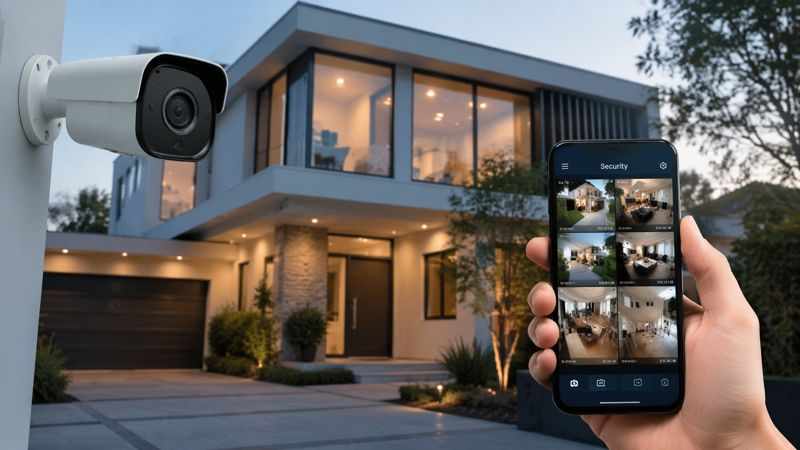
A lot of people still equate “CCTV” with “security” — that’s outdated thinking. Modern smart systems typically include AI-powered video analytics, remote monitoring through mobile apps, solar-powered wireless CCTV, access control and facial recognition, and license plate recognition.
Providers like Wen Hong Engineering offer end-to-end service across this whole stack: risk assessment, system design, installation, and ongoing maintenance and monitoring. The core shift worth understanding is that security today is less about a single piece of hardware and more about an integrated system.
A General Guide to Installing a Smart Security System
Step 1: Conduct a Security Risk Assessment
Identify your entry points (doors, windows), blind spots, and high-value zones before anything else. Professional firms typically perform a threat and vulnerability assessment as the first step before recommending equipment.
Step 2: Choose the Right Type of CCTV System
Wired CCTV offers stability for long-term setups. Wireless CCTV offers flexibility, which suits rentals well. Solar-powered CCTV works for off-grid areas without reliable power. AI surveillance systems add smart detection on top of any of these.
Step 3: Plan Camera Placement Strategically
Lighting conditions, viewing angles, and coverage overlap all matter here — poor placement is one of the most common reasons a CCTV system ends up providing weak or unusable footage.
Step 4: Install and Integrate the Full System
This typically covers the CCTV cameras themselves, access control systems, intercoms, and cloud storage for footage.
Step 5: Enable Remote Monitoring
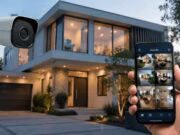
Modern systems support mobile alerts, live streaming, and monitoring across multiple locations at once — genuinely useful if you’re managing a property while traveling or living elsewhere.
Step 6: Set Up a Maintenance Plan
Regular maintenance meaningfully extends a system’s lifespan and reduces the odds of it failing when you actually need it.
If security spending is part of your travel budget, it’s worth factoring into your overall planning — our complete hotel booking guide covers choosing accommodation with reliable security features already in place.
Security System Checklist
Technical requirements: internet connectivity for remote monitoring, a power supply or solar backup, and storage — cloud-based or a physical DVR/NVR.
Legal requirements: compliance with local privacy laws, and proper signage in any area under surveillance.
Operational requirements: a maintenance schedule, generally recommended every 6–12 months.
Comparing Types of Security Systems
| Feature | Wired CCTV | Wireless CCTV | Solar CCTV | AI Smart CCTV |
|---|---|---|---|---|
| Installation cost | Medium | Low | Medium | High |
| Flexibility | Low | High | High | High |
| Internet needed | Optional | Yes | Yes | Yes |
| Ideal use | Homes/offices | Rentals/Airbnb | Remote sites | Larger businesses |
| Maintenance | Low | Medium | Medium | Medium |
| Smart detection | No | Limited | Limited | Yes |
Who Typically Needs These Systems
Travelers and Airbnb hosts use them to monitor guests remotely, catch property damage early, and stay on top of safety compliance.
Construction sites use them mainly to deter theft of materials and monitor worker safety.
Businesses and retail stores use them to monitor both employees and customers, and to deter shoplifting.
Residential homes use them for general family safety and intrusion detection.
Choosing a Provider
Wen Hong Engineering emphasizes a few things worth looking for in any security provider, wherever you end up choosing to work: real attention to camera angles and coverage (poor placement produces genuinely useless footage), AI features that reduce false alarms and speed up response time, a system that can scale as your property or business grows, consistent maintenance rather than a one-time install, and certified installers who can guarantee proper coverage and compliance with local regulations.
Common Mistakes to Avoid
DIY installation without real expertise tends to leave blind spots and weak overall coverage.
Ignoring maintenance leads to camera failure, poor video quality, and real security gaps over time.
Choosing the cheapest available equipment often means a system that fails earlier than a more reliable one would have.
Skipping remote monitoring setup limits your ability to actually respond quickly to an incident.
Poor storage planning can mean losing exactly the footage you need most, right when you need it.
Estimated Costs
| Item | Estimated Cost |
|---|---|
| Basic CCTV setup | $300 – $1,500 |
| AI smart system | $1,500 – $5,000+ |
| Monthly monitoring | $50 – $300 |
| Maintenance | $100 – $500/year |
Rental CCTV systems, for temporary needs, can start from roughly $299/month. These figures are general estimates — get a direct quote from your chosen provider before budgeting.
Frequently Asked Questions
How long does CCTV installation take? Typically 1–3 days, depending on the size of the property.
Can I monitor my property from another country? Yes — modern systems generally support global access through a mobile app.
How often should CCTV systems be serviced? Every 6–12 months is a commonly recommended interval.
Is wireless CCTV reliable? Yes, though wired systems tend to offer more stability for larger properties.
What’s the most common mistake people make? Improper installation and a lack of ongoing maintenance.
Conclusion
Security has become a genuinely core part of both property management and travel planning, not an optional add-on. Whether you’re a traveler, an Airbnb host, or a business owner, a properly installed and maintained security system is one of the more reliable ways to protect a property you can’t always be physically present at.
If you’re in Singapore and considering a smart security setup, Wen Hong Engineering Services is one option worth looking into as part of our partner network.
If you travel frequently, our guide to travel insurance for international trips covers another layer of protection worth having in place.