


































Nigeria Schengen visa approval remains one of the steepest climbs in international travel. In 2024, nearly one in two Schengen visa applications from Nigeria was rejected — the refusal rate hit 45.9%, up from 40.8% the year before, affecting over 50,000 Nigerian applicants in a single year. According to European Commission visa statistics, that placed Nigeria third among all nationalities globally for refusal rate, behind only Bangladesh and Senegal — a position it has held with frustrating consistency for years.
At Every Moment Travels, we see the pattern behind these numbers up close, and the harder truth is that most rejections aren’t random. They follow recognizable patterns — mismatches between what consulates require and what most applicants actually submit. Because it’s a pattern, it can be addressed deliberately.
This guide breaks down why Nigeria’s Schengen approval rates remain so difficult, and exactly what documentation changes move the needle. The difference between approval and rejection often comes down to how precisely your file matches what the reviewing officer is trained to look for.
There are several common reasons Schengen visa applications get denied — our guide to visa rejection reasons walks through them in detail alongside how to fix each one.
Why Nigerian Schengen Applications Get Rejected at Such a High Rate
Nigeria’s high rejection rate isn’t explained by one single factor. It reflects a mismatch that plays out across three recurring areas: documentation quality, financial proof credibility, and what your profile signals about overstay risk. Understanding all three is the starting point for fixing them.
The documentation gap consulates keep flagging
The most cited rejection triggers we see are insufficient documentation, weak financial proof, and records that can’t be independently verified. For Nigerian applicants specifically, this often shows up as bank statements with recent lump-sum deposits — which consulates tend to read as staged funds rather than genuine savings — along with incomplete travel histories and purpose-of-visit letters that don’t align with the rest of the file.
Consulates look for consistency across documents. If your letter says business travel but your itinerary reads like a tourist trip, that contradiction creates doubt. If your bank balance jumped by three months of salary two weeks before your application, that reads as staged funds. The documents don’t need to be impressive; they need to tell the same honest story from every angle.
How overstay risk perception shapes decisions
Consulate officers assess overstay risk as part of every application review. For a first-time international traveler from Nigeria with no prior travel stamps, no property, and a vague itinerary, the profile raises concerns regardless of how strong the financials look. The question isn’t whether you’re trustworthy — it’s whether your documents demonstrate a clear reason to return to Nigeria after the trip.
Strong ties to Nigeria counter this directly. An employment letter confirming approved leave, property ownership documents, or evidence of family dependents all build the case that you have compelling obligations pulling you home before the visa expires. Family certificates, property deeds, and formal employer letters on company letterhead each serve a specific function in reducing perceived overstay risk.
Building a Document File That Holds Up
This is where most applications are won or lost. A complete, consistent file doesn’t guarantee approval, but an inconsistent or incomplete one comes close to guaranteeing rejection. Every document in your file should support the same narrative.
For a fuller breakdown of the exact documents required, see our guide to getting a Schengen visa approved.
Financial proof: what “sufficient funds” actually means
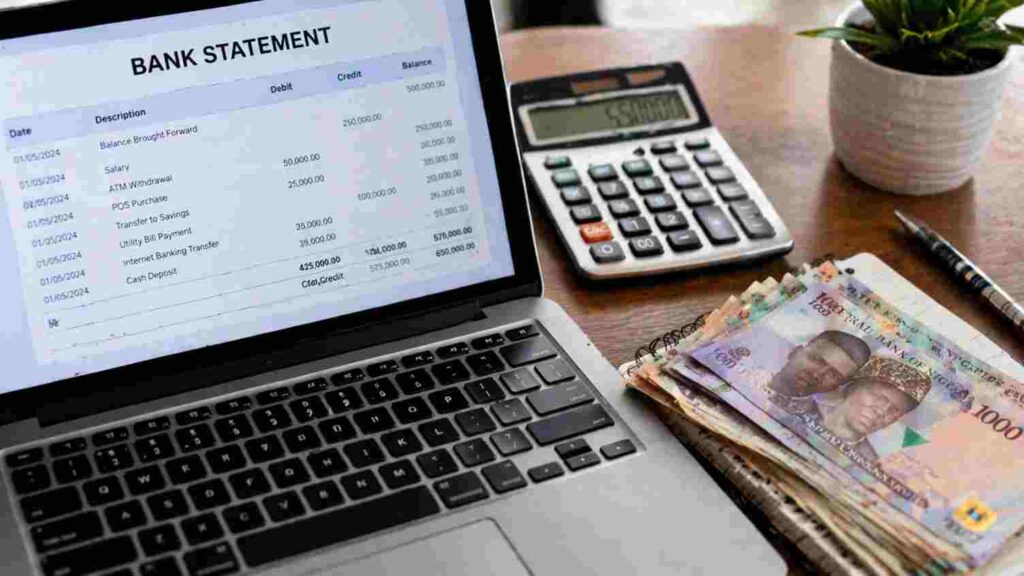
Consulates look for steady account activity over at least three months, not just a healthy closing balance. Bank statements should show regular inflows and outflows that reflect your stated income source, with consistency mattering more than any single large balance.
If you’re self-employed, include business registration documents, tax clearance certificates, and company bank statements alongside your personal ones. For German applications specifically, a Verpflichtungserklärung (Declaration of Commitment) — a formal financial obligation letter from a German host — can substitute or supplement personal funds under German consular guidance. This option is underused by Nigerian applicants and can make a genuine difference when personal bank history is thin.
Travel insurance, itinerary, and accommodation
Travel insurance covering your full stay with a minimum of €30,000 in medical and repatriation coverage is mandatory across all Schengen states for short-stay visas — not optional. Your itinerary should be day-by-day, with confirmed hotel bookings or a signed host invitation letter and a return flight reservation.
Vague plans, even paired with strong financials, can trigger rejection under the “purpose of stay not reliably established” ground. A specific, confirmed itinerary tells the reviewing officer you have a defined trip, not an open-ended plan to figure out later — a detail that costs nothing to fix and that applicants routinely overlook.
For the full insurance requirements, see our guide to the best travel insurance for Europe.
Country-specific documents Nigerian applicants often miss
Germany requires biometric submission in person, and initial applications now go through its online Consular Services Portal before biometric submission, with documents submitted as A4 copies and originals presented at interview. Nigerian-born applicants must provide either an NPC (National Population Commission) birth certificate for those born after December 13, 1992, or a certified birth register entry with a supporting affidavit for those born earlier. Missing this single document has caused rejections that could have been entirely avoided — it’s worth confirming the current requirement directly with the relevant embassy before you submit, since these rules do shift.
Strategies That Strengthen Your Application Before You Submit
Knowing the requirements is necessary but not sufficient — the gap between knowing what’s needed and actually building a file that reflects it is where most applications fall short.
Start earlier than you think
Appointment slots at visa application centers in Lagos and Abuja regularly run several months out during busy periods. A standard processing after submission typically takes 10–15 working days, with complex cases extending further. That means your realistic planning window is a minimum of four to six months before your intended travel date, not six weeks. Starting late is one of the most common and most avoidable mistakes Nigerian applicants make. For a broader look at timelines by country, see our guide to visa processing times.
New appointment slots are often released in batches with no fixed schedule. Try to check the portal regularly, particularly in the early morning, improves your odds of catching a release.
Build your financial and travel profile ahead of time
If you have no prior international travel, consider applying for a visa to a country with less demanding entry requirements first. This will help to establish a compliant travel record. A single stamp showing you entered and exited a country within the permitted period changes how your profile reads. it gives a Schengen officer reviewing a first-time applicant real evidence rather than just a promise.
Keep your bank account active and consistent for at least six months before your Schengen application. Avoid large deposits close to the application window. These are medium-term moves, but they directly affect how your financial profile is read during review.
Cross-check your file before you submit
Don’t rely on a generic Schengen checklist that doesn’t account for the specific documents Nigerian-born applicants need. Catching a missing document before submission costs nothing; submitting without it costs an application fee and months of waiting.
What to Do After a Rejection
A Schengen visa rejection isn’t the end of the process — but reapplying with the same file is almost certain to produce the same result. How you respond determines whether the next application succeeds.
Read your rejection letter as a document checklist
Schengen rejection letters cite specific grounds under Article 32 of the EU Visa Code, commonly including insufficient financial means or insufficient evidence of intent to leave before the visa expires. Each cited ground points to a specific documentation gap — treat the letter as a diagnostic report, not just a disappointing outcome.
Reapply with a stronger file, not just a resubmitted one
There’s no mandatory waiting period after a Schengen rejection unless the refusal letter specifies one. You can reapply immediately, but only after addressing each cited ground with new or stronger evidence. A cover letter that directly responds to every reason for refusal, alongside improved documents, signals to the reviewing officer that you understood their concerns and corrected them — this produces significantly better outcomes than resubmitting the original file with minor changes.
If the rejection cited weak ties to Nigeria, add an employment letter, property documents, or family certificates. If it cited insufficient funds, provide additional months of consistent bank history or a sponsor’s financial obligation letter. Match your response to the exact grounds cited, not to what you assume might have been the issue.
Deliberate Preparation Changes the Outcome

Nigeria’s Schengen visa refusal rate is genuinely challenging, but the outcome shifts when you approach the application with the right strategy. Your bank statements need to show organic, consistent financial activity over at least three months. In addition to that, your itinerary needs to be specific and fully confirmed. Your travel insurance must meet the €30,000 minimum. And you need to start the process at least four to six months before your travel date.
Most rejected applications fail on details that were fixable before submission. Details like; documentation gaps, inconsistent records, staged deposits — rather than on factors outside the applicant’s control. That’s the practical reality, and it means preparation directly changes outcomes.
Schengen visa approval for Nigerian applicants is within reach. Start early, build your financial and travel profile deliberately, and submit a file that tells a clear, consistent, well-documented story. That’s the standard that gets applications approved, and it’s one you can meet.