


















Studying abroad is a life-changing opportunity that offers access to world-class education, global exposure, and better career prospects. However, before you can travel to your dream study destination, you need to complete the steps that will help you secure a student visa and this is one of the most critical steps.
The visa application process can seem overwhelming — paperwork, financial proof, interviews, and strict requirements. A single mistake can delay or even lead to rejection.
This complete steps to student visa application guide walks you through the complete process, required documents, timelines, and expert tips to help you secure approval smoothly.
Whether you’re applying to study in the USA, UK, Canada, Australia, or Europe, the process follows similar core principles.
What Is a Student Visa?
A student visa is an official document issued by a country’s immigration authority allowing international students to live and study legally for a specific period.
Key Features:
- Legal permission to study abroad
- Valid for course duration
- May allow part-time work
- Requires proof of finances and admission
- Often renewable
Each country has its own student visa category:
- USA — F-1 Visa
- UK — Student Route Visa
- Canada — Study Permit
- Australia — Subclass 500
- Germany — National Student Visa
Also Read: Step-by-Step Schengen Visa Application Process
Why Student Visa Applications Get Rejected
Understanding common rejection reasons helps you avoid costly mistakes.
Common Reasons:
- Insufficient proof of funds
- Incomplete documentation
- Weak statement of purpose
- Suspicious academic gap
- Poor visa interview performance
- Incorrect information
- Lack of ties to home country
Following a structured application process greatly improves approval chances.
Complete Guide To Student Visa Application Process
Below is the complete process followed by most countries.
Step 1: Get Admission From a Recognized Institution
Before applying for a visa, you must receive admission from an approved university.
Requirements:
- Offer letter or acceptance letter
- Admission confirmation number
- Tuition fee details
- Course duration information
Most embassies will not process visa applications without confirmed admission.
Tips:
- Apply early (6–12 months ahead)
- Verify university accreditation
- Keep admission documents safe
Step 2: Understand Visa Requirements for Your Country
Each country has different visa rules.
Research:
- Required documents
- Financial requirements
- Processing time
- Application fees
- Work rights
- Health insurance requirements
Visit the official embassy website for accurate details.
Also Read: How to Choose the Best Study Abroad Program
Step 3: Prepare Required Documents
Documentation is the most important part of your application.
Core Documents Required:
i) Valid Passport
- Minimum 6 months validity
- Blank visa pages
ii) University Acceptance Letter
- Official admission confirmation
iii) Academic Documents
- Certificates
- Transcripts
- Test scores (IELTS, TOEFL, etc.)
iv) Proof of Funds
Shows you can afford:
- Tuition fees
- Accommodation
- Living expenses
- Travel costs
v) Statement of Purpose (SOP)
Explains:
- Why you chose the course
- Career goals
- Reason for choosing the country
vi) Passport Photographs
Follow embassy specifications.
vii) Medical Examination (if required)
viii) Police Clearance Certificate (for some countries)
Organize documents neatly to avoid delays.
Step 4: Meet Proof of Funds Requirements

This is one of the most critical visa requirements.
You must demonstrate sufficient financial resources to cover:
- Tuition fees
- Living expenses
- Accommodation
- Return travel
Acceptable Financial Proof:
- Bank statements
- Education loans
- Scholarship letters
- Sponsor financial documents
- Fixed deposits
Expert Tip:
Provide more funds than the minimum requirement to increase approval chances.
Also Read:Proof of Funds Requirements for Student Visas
Step 5: Pay the Visa Application Fee
Visa fees vary by country.
Typical Cost Range:
- USA: $160+
- UK: £363+
- Canada: CAD 150
- Australia: AUD 710+
Keep payment receipts as proof.
Step 6: Complete the Online Visa Application Form
Most countries require online applications.
Important Tips:
- Use accurate information
- Match passport details exactly
- Avoid spelling errors
- Double-check before submission
Incorrect information may lead to rejection.
Step 7: Book Biometrics Appointment
Biometric data includes:
- Fingerprints
- Digital photo
- Signature
This helps verify identity and prevent fraud.
Step 8: Attend Visa Interview (If Required)
Countries like the USA and UK may require interviews.

Common Questions:
- Why this country?
- Why this course?
- Who is funding your studies?
- What are your future plans?
Interview Tips:
- Be confident
- Give honest answers
- Provide clear explanations
- Dress professionally
Step 9: Track Your Application
After submission, you can track visa status online.
Processing Time:
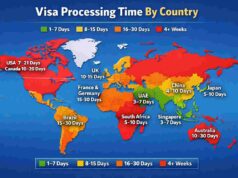
- 2–12 weeks depending on country
- Apply early to avoid delays
Step 10: Receive Visa Decision
If approved, you receive:
- Visa stamp
- Approval letter
- Entry instructions
If rejected, review reasons and reapply.
Student Visa Application Timeline (Recommended)
12 Months Before Travel
- Choose course and country
- Research universities
8–10 Months Before
- Apply to universities
- Prepare documents
6 Months Before
- Receive admission
- Start visa application
3 Months Before
- Submit application
- Attend interview
1 Month Before
- Receive visa decision
- Prepare travel
Student Visa Requirements by Popular Study Destinations
USA Student Visa Requirements
- I-20 form from university
- SEVIS fee payment
- DS-160 application
- Visa interview
UK Student Visa Requirements
- Confirmation of Acceptance for Studies (CAS)
- English language proof
- Financial evidence
Canada Study Permit
- Letter of acceptance
- Proof of funds
- Medical exam
- Statement of purpose
Australia Student Visa
- Confirmation of Enrollment (CoE)
- Overseas Student Health Cover
- Genuine Temporary Entrant requirement
Also Read: Cheapest Countries to Study Abroad
How to Write a Strong Statement of Purpose
A strong SOP increases approval chances.
Include:
- Academic background
- Career goals
- Why this country
- Why this university
- Future plans
Avoid:
- Copy-paste content
- Vague goals
- Inconsistent information
How to Prepare for Student Visa Interview
Do:
- Practice common questions
- Carry original documents
- Stay calm
- Answer honestly
Don’t:
- Memorize scripted answers
- Provide false information
- Show uncertainty
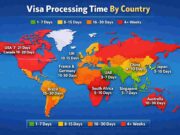
Student Visa Processing Time by Country
| Country | Average Processing Time |
| USA | 3–8 weeks |
| UK | 3 weeks |
| Canada | 4–12 weeks |
| Australia | 4–8 weeks |
| Germany | 6–12 weeks |
Always apply early.
Cost of Student Visa Application
Expenses include:
- Visa fees
- Medical tests
- English tests
- Document translation
- Travel to embassy
- Health insurance
Budget accordingly.
How to Increase Student Visa Approval Chances
- ✔ Apply early
- ✔ Submit complete documents
- ✔ Show strong financial proof
- ✔ Write a convincing SOP
- ✔ Demonstrate genuine study intent
- ✔ Maintain consistent information
Common Student Visa Mistakes to Avoid
- Submitting fake documents
- Insufficient funds
- Weak academic explanation
- Missing deadlines
- Incorrect application details
- Poor interview preparation
Avoiding these mistakes significantly improves success.
Can You Work with a Student Visa?
Many countries allow part-time work for international students.
Typical Work Limits:
- 20 hours per week (during studies)
- Full time during holidays
Always check country rules.
Can Student Visas Lead to Permanent Residency?
Some countries offer pathways to residency:
- Canada
- Australia
- UK
- Germany
These often require post-study work experience.
Final Thoughts
The student visa application process may seem complex, but following a structured approach makes it manageable.
By securing admission, preparing strong documentation, demonstrating financial capacity, and presenting a clear study plan, you significantly increase your chances of approval.
Start early, stay organized, and follow this step-by-step student visa application guide to make your study abroad journey smooth and successful.
Your global education journey begins with the right visa strategy.
Also Read: How to Budget for Study Abroad
⭐ Most Asked Student Visa Interview Questions
1. Why do you want to study in this country?
What they check: genuine intention.
Winning Answer Strategy:
- Education quality
- Course relevance
- Career benefits
Example:
“The country offers advanced research facilities and globally recognized degrees in my field.”
2. Why did you choose this university?
Show research and clarity.
Mention:
- Course structure
- Rankings
- Facilities
- Career opportunities
3. Why this course?
Connect to:
- Previous studies
- Career goals
- Industry demand
4. Who is sponsoring your education?
Be precise and confident.
Provide:
- Sponsor details
- Income source
- Financial documents
5. What are your plans after graduation?
Always show intention to return home.
Mention:
- Career opportunities
- Business plans
- Job prospects in your country
6. How will you fund your studies?
Explain:
- Savings
- Sponsorship
- Loans
- Scholarships
7. Do you have relatives in this country?
Always answer honestly.
⭐ Expert Interview Tips
- ✔ Dress professionally
- ✔ Be confident and honest
- ✔ Give short clear answers
- ✔ Avoid memorized responses
- ✔ Maintain eye contact
- ✔ Carry original documents
❌ Answers That Cause Rejection
- “I want to relocate permanently”
- Unclear career goals
- Inconsistent financial answers
- Lack of course knowledge
If you need help in getting a student visa, send a mail to everymomenttravel@gmail.com