



























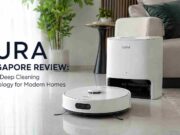


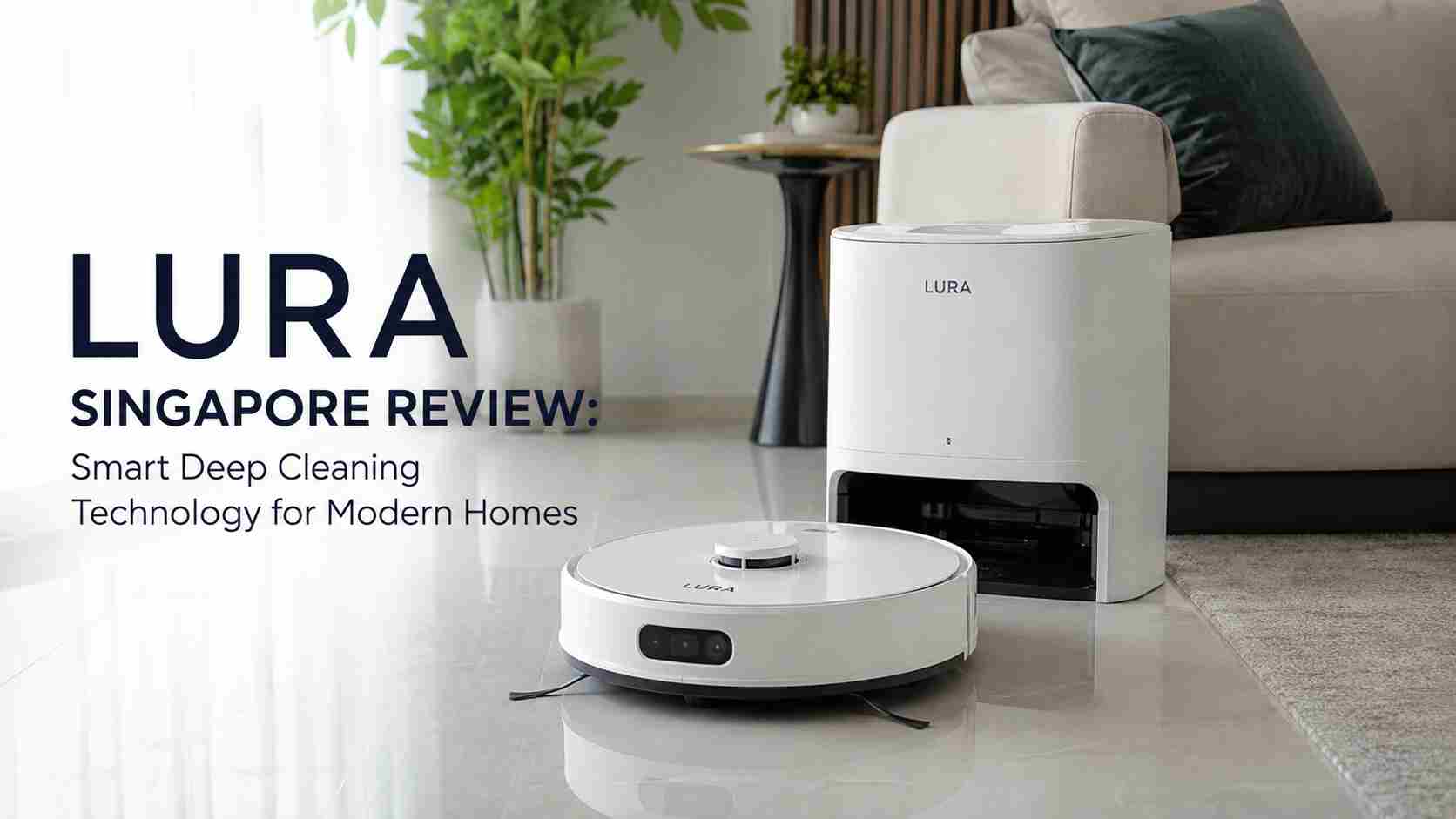
This article is a partner feature. Every Moment Travels works with Lura Singapore as a partner, and this piece introduces their offering alongside general, independent guidance on home cleaning technology.
Introduction: The Cleaning Problem Standard Vacuums Don’t Solve
A lot of us spend real money on ergonomic pillows, blackout curtains, and quality linens trying to recreate hotel-level comfort at home — yet the room can still feel stagnant even after a regular clean. Often the actual issue isn’t the decor at all; it’s what’s still living in the air and the carpet.
Standard vacuum cleaners, even HEPA-rated ones, can struggle in Singapore’s humid climate. Dust trapped in a dry bag creates a genuinely favorable environment for bacteria and mold, which can then get exhausted back into the room as the “vacuum smell” a lot of people associate with cleaning day.
Lura Singapore offers one approach to this problem: a water-based filtration system, using water instead of a dry bag as the primary filter medium.
How Water-Based Filtration Works, Step by Step
Step 1: Air Purification
Lura’s system fills a water basin and runs in “air purifier” mode, spinning air through the water at high speed. According to Lura, this traps the large majority of airborne particulates in the water rather than a disposable bag.
Step 2: Cleaning Fabric and Soft Surfaces
Suitcases, entryway rugs, and upholstery can carry dust and allergens picked up from travel. A water-based system can clean these surfaces without redistributing what it picks up back into the air, since it stays trapped in the water rather than a bag that can leak fine particles.
Step 3: Mattress Cleaning
This is often the step people notice most directly, since dust mites tend to concentrate in bedding, especially in a humid climate. Lura’s powerbrush attachment is designed to vibrate the mattress surface and pull allergens down into the water basin — visibly, since the water darkens as it collects what’s extracted.
A General Checklist for Choosing a Home Cleaning System
Whatever system you’re considering, it’s worth checking: does it avoid a disposable dry bag that can recirculate fine dust, does its filtration method suit your local climate and humidity, does it handle hard floors, carpet, and mattresses with one system, and does the manufacturer offer any certification relevant to allergy sufferers.
Comparing Filtration Approaches
| Feature | Traditional Bag/Filter Vacuum | Water-Based System |
|---|---|---|
| Filtration medium | Paper or synthetic bags/filters | Water |
| Suction consistency | Can drop as the bag fills | Generally consistent throughout use |
| Air output | Can carry a “dusty” odor | Company states cleaner air output |
| Ongoing cost | Recurring bag/filter purchases | Mainly just water |
These are general category comparisons — always check current specifications directly with any manufacturer before purchasing.
Tips for Humid Climates Like Singapore
Understand how humidity affects dust. In consistently high humidity, dust tends to cling to surfaces more stubbornly, which is part of why a water-based approach can perform differently than a standard dry vacuum in this specific climate.
Consider a hybrid approach for floors. Some systems, including Lura’s, offer attachments for both wet mopping and drying hard floors in a single pass, aiming to avoid the streaking that traditional mopping can leave behind.
Be cautious with synthetic sprays. If you want a scent added to your cleaning routine, a few drops of a natural essential oil in a water-based system’s tank is a common alternative to synthetic air fresheners — though if you have specific allergies or sensitivities, check with a professional before adding anything to your routine.
Common Home Cleaning Mistakes
Ignoring what you can smell while cleaning. If a vacuum smells musty while running, that’s often a sign dust is escaping back into the air rather than being fully captured.
Relying on an air purifier alone. An air purifier addresses airborne particles, but it doesn’t reach the dust and allergens embedded in carpets and mattresses — a genuinely clean home usually needs both approaches.
Choosing based on brand recognition alone. It’s worth looking past marketing and checking the actual filtration mechanism and build quality behind any system you’re considering, rather than assuming a well-known name is automatically the better choice.
Frequently Asked Questions
Is a water-based system suitable for homes with pets? Water-based filtration is often well-suited to pet hair and dander specifically, since it traps material in water rather than risking a clog in a dry filter — worth asking any provider directly about their system’s specific pet-hair handling.
How often should I run an air-purifying clean? For a home with frequent activity or travel-related dust, a couple of times a week is a reasonable starting point — adjust based on your own household’s needs.
Can I see a demonstration before buying? Lura Singapore offers home demonstrations, letting you see the system’s results directly in your own space before committing. You can book one through lura.sg.
Conclusion
A clean, healthy home matters for anyone, and it matters especially if you’re returning from travel and want your space to feel genuinely restorative. Lura Singapore’s water-based system is one option worth looking into if you’re weighing a change from a traditional vacuum, particularly in a humid climate like Singapore’s.
If you’re in Singapore and interested in learning more, visit lura.sg to explore the Lura Premium system directly.