

































Introduction: The “It Won’t Happen to Me” Trap
“Is travel insurance required for my international trip?” It’s one of the questions I get asked most often by travelers planning their first big trip abroad.
You’ve booked your flights, scouted the best local eateries, and curated the perfect itinerary. But have you accounted for the variable most people forget? Every year, millions of international travelers run into unexpected trouble — a sudden appendicitis in a foreign city, a missed connection because of a storm, or a lost passport that halts an entire journey.
The common misconception is that travel insurance is a “nice-to-have” extra. In 2026, for many travelers, it’s far from optional — it’s a legal requirement. Whether you’re a digital nomad, a family on a summer vacation, or a first-time flyer, not understanding the insurance rules of your destination can mean a denied visa, a hefty medical bill, or being turned away at the border.
This guide walks through why travel insurance matters, which countries require it outright, and how to choose a policy that actually protects you.
Is Travel Insurance Legally Required?
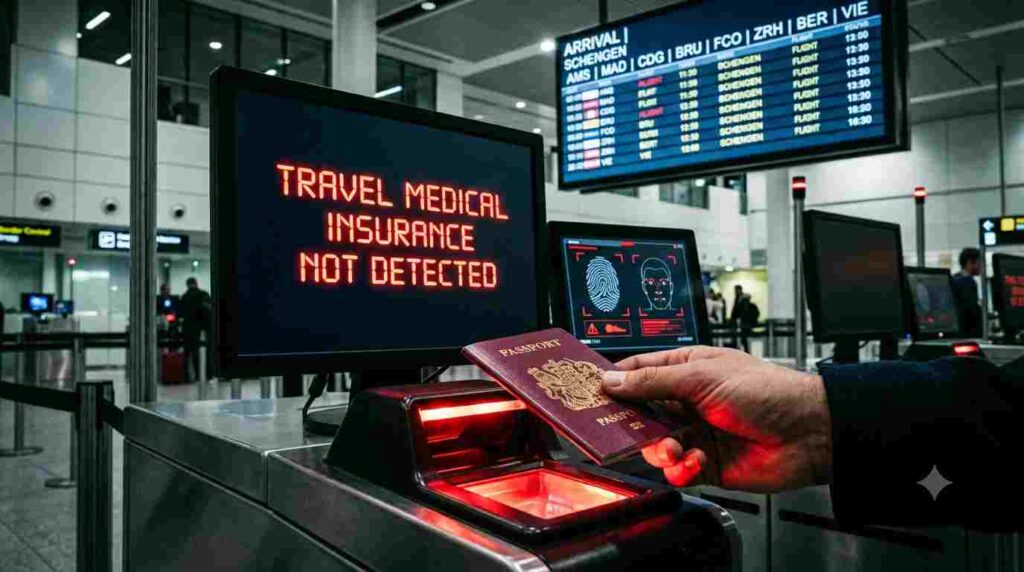
The honest answer is: it depends on where you’re going. For some countries, travel insurance is a hard requirement — a mandatory part of the visa application or entry process. For others, it’s a matter of personal financial protection, though embassies often “strongly recommend” it.
Countries With Mandatory Travel Insurance
Several countries and regions require proof of coverage so that visitors don’t become a financial burden on local healthcare systems.
| Destination/Region | Requirement Status | Coverage Focus |
|---|---|---|
| Schengen Area (29 countries) | Mandatory | Minimum €30,000 for medical/repatriation |
| United Arab Emirates | Compulsory | Comprehensive health/emergency |
| Cuba | Mandatory | Proof of medical coverage at arrival |
| Saudi Arabia | Mandatory | Linked directly to visa |
| Nepal | Mandatory for trekkers | Emergency rescue/evacuation |
| Ecuador/Galápagos | Mandatory | Valid health insurance for entry |
A note worth remembering: even in countries where insurance isn’t legally mandated — the US or Canada, for example — immigration officers may still ask how you’d cover emergency medical costs. Being able to show a policy document works like a “financial passport”: it signals you’re a prepared visitor who won’t need to rely on the local healthcare system if something goes wrong.
How to Choose the Right Policy, Step by Step

Here’s how claims typically break down across travel insurance policies, based on industry data: medical emergencies account for the largest share (around 40%), followed by trip cancellation (about 30%), travel delays (around 15%), lost baggage (about 10%), and other claims making up the rest. Medical emergencies and cancellations are where a policy needs to perform — so that’s where to focus when comparing plans.
Don’t wait until the week before departure to buy coverage. Purchasing late often excludes “pre-trip” benefits like cancellation coverage. Here’s the sequence I recommend:
Step 1: Assess Your Specific Risks
Are you going on a beach holiday or a high-altitude trek? If you’re planning adventure activities — skiing, scuba diving, mountaineering — a standard policy will likely exclude them. List your planned activities before you start shopping for coverage.
Step 2: Compare Policy Limits, Not Just Premiums
Many travelers default to the cheapest plan. I’d avoid that. Compare instead on:
- Medical limit — look for a minimum of $50,000–$100,000 for international trips.
- Evacuation coverage — make sure the policy covers emergency medical transport home.
- Deductibles — a $0 deductible means a higher premium but no out-of-pocket cost if you need to claim.
Step 3: Purchase Right After Booking
The moment you put down a non-refundable deposit on a flight or hotel, buy your insurance. That’s what activates trip cancellation coverage — the benefit that reimburses you if you have to cancel before you leave for a covered reason, like illness or a family emergency.
For a deeper comparison of providers, see our guide to the best travel insurance for Europe.
Step 4: Get Your Certificate of Insurance
Make sure you receive a formal certificate listing your name, coverage dates, coverage amounts, and the regions included. A digital copy is essential, but keeping a printed copy in your luggage can save time during airport checks.
Pre-Departure Checklist
Before you head to the airport, cross-check your policy against this list:
- [ ] Geographic validity — does the policy cover the specific countries you’re visiting? Watch out for “worldwide” policies that quietly exclude your home country or regions under travel advisories.
- [ ] Minimum coverage — does it meet your destination’s specific requirement (e.g., €30,000 for the Schengen Area)?
- [ ] Medical repatriation — does it cover the cost of transporting you home if you’re critically ill or injured?
- [ ] Adventure add-ons — did you purchase a sports rider if you’re doing anything higher-risk?
- [ ] 24/7 assistance — is there a number you can call from anywhere, with support in your language?
- [ ] Pre-existing conditions — did you declare all of them? Failing to disclose is the number one reason claims get denied.
Common Mistakes to Avoid
Even experienced travelers get caught out by the fine print. The most common blunders:
- Assuming credit card coverage is enough. Many premium cards include “travel insurance,” but it’s often secondary coverage — meaning it only pays what your primary insurance doesn’t — and usually lacks adequate medical evacuation limits.
- Buying too late. Waiting until you’re at the airport means missing out on pre-departure benefits like trip cancellation.
- Ignoring the exclusions. Alcohol-related accidents are almost universally excluded — if you’re injured while intoxicated, your policy likely won’t pay.
- Not updating the policy. If your itinerary changes — say, you add a stop in a new country — update your coverage. Being in a country that isn’t listed can void the whole policy.
A Few Habits Worth Building
- Keep an “emergency” folder. Save your policy number, the international emergency assistance line, and a copy of your passport in a cloud service like Google Drive or Dropbox, plus a physical copy in your carry-on.
- Understand direct pay vs. reimbursement. Some policies pay the hospital directly; others require you to pay upfront and get reimbursed later. For major medical emergencies, a direct-billing policy is worth prioritizing.
- Keep every receipt. If your luggage is delayed, save receipts for the toothbrush, change of clothes, and toiletries you buy in the meantime — insurers generally won’t pay out without proof of purchase.
A Real-World Example
Picture a Nigerian traveler on a two-week trip to France and Italy who’s hospitalized after an accident.
Without insurance: a hospital bill of €8,000 or more, plus extra hotel nights and a new flight home — a potential cost north of €10,000.
With insurance: most eligible expenses are covered under the policy terms, saving thousands of euros.
Frequently Asked Questions
Does my home health insurance cover me while traveling abroad? Rarely. Most domestic health plans — Medicare in the US, or a typical HMO — offer little to no coverage outside your home country, and even when they do, they seldom cover the cost of international medical evacuation.
What’s the difference between “travel medical” and “comprehensive” insurance? Travel medical is usually cheaper and covers emergencies only — hospitalization, surgery. Comprehensive plans cost more but add trip cancellation, trip interruption, and baggage loss. If you have significant non-refundable travel costs, comprehensive is worth the extra premium.
Are there countries where insurance is a hard requirement for entry? Yes — Schengen countries, Cuba, and several Gulf states, including the UAE, will deny entry or visa approval without proof of valid medical insurance.
Conclusion: Investing in Peace of Mind
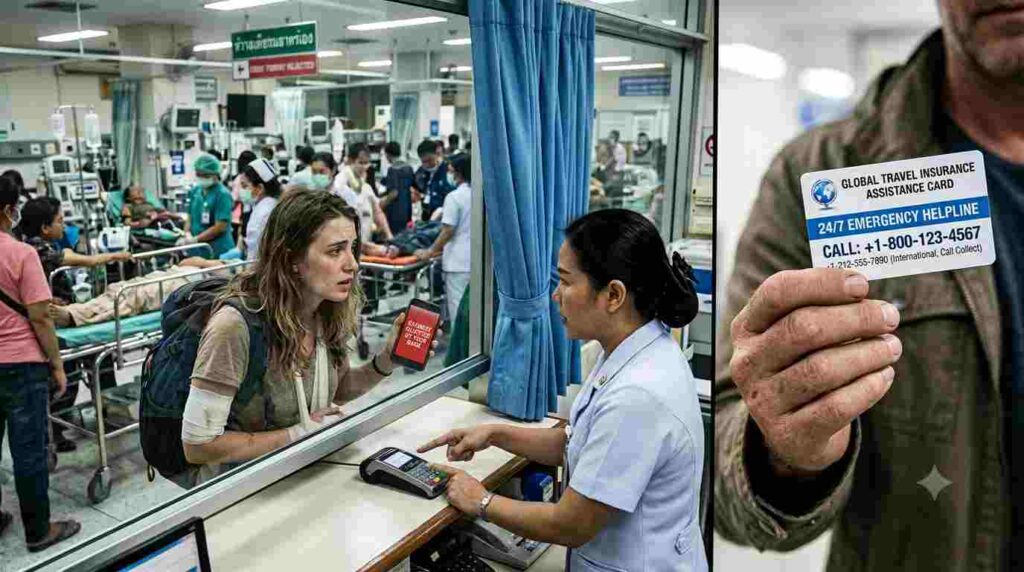
International travel is an investment of time, money, and emotional energy. Travel insurance is the safety net that keeps a minor mishap from turning into a financial catastrophe. Research your destination’s requirements, choose a plan that matches your actual activities, and keep your documentation within reach — and you’re not just ticking a box, you’re buying the freedom to travel with confidence.
The goal is never to actually use your insurance. But knowing it’s there is what lets you enjoy the trip.
This article is for educational purposes and reflects common practices as of 2026. Always check the official website of the embassy or consulate for your destination for the most current, legally binding requirements.