































Why So Many Visa Applications Get Rejected
Applying for a visa ranks among the most critical steps in international travel, studying abroad, relocating for work, or attending business opportunities overseas. Every year, millions of visa applications get rejected — not because applicants are unqualified, but because of avoidable mistakes.
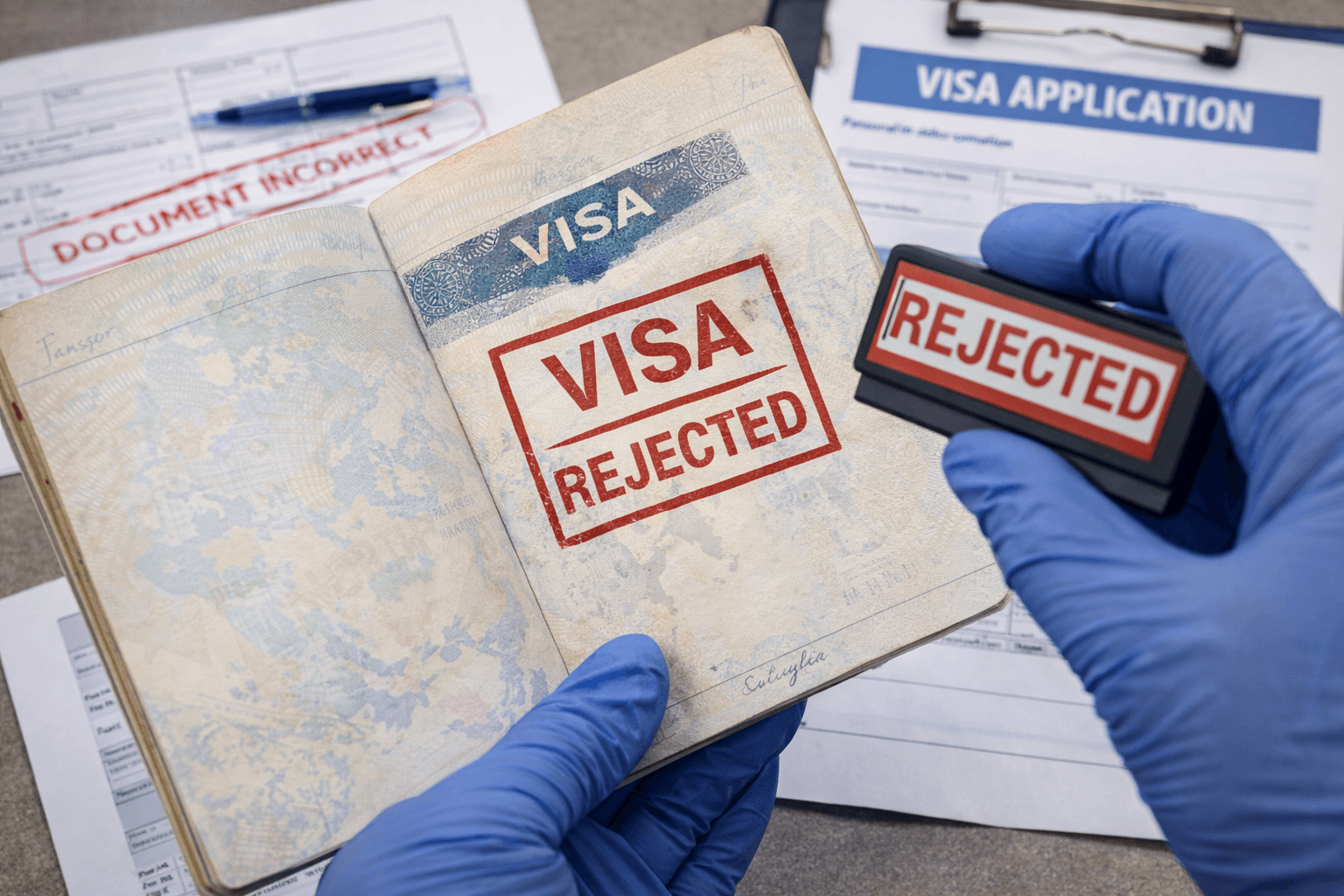
At Every Moment Travels, we see the same errors repeat constantly. Visa officers follow strict immigration rules, and even a small error, a missing document, or a minor inconsistency can trigger rejection. Once rejected, future applications often face higher scrutiny, longer processing times, and extra costs.
This guide breaks down the most common visa mistakes we see, explains why embassies reject them, and shows you how to avoid each one — whether you’re applying for a tourist visa, student visa, work visa, or business visa.
How Visa Officers Actually Decide
Before diving into specific mistakes, it helps to understand what visa officers are actually assessing: your eligibility, your intent to return home, your financial stability, your document authenticity, and your overall risk of overstay or illegal work.
Their job is risk management, not sympathy — any red flag in your file can mean rejection, regardless of how genuine your intentions actually are.
1. Incomplete or Missing Documents
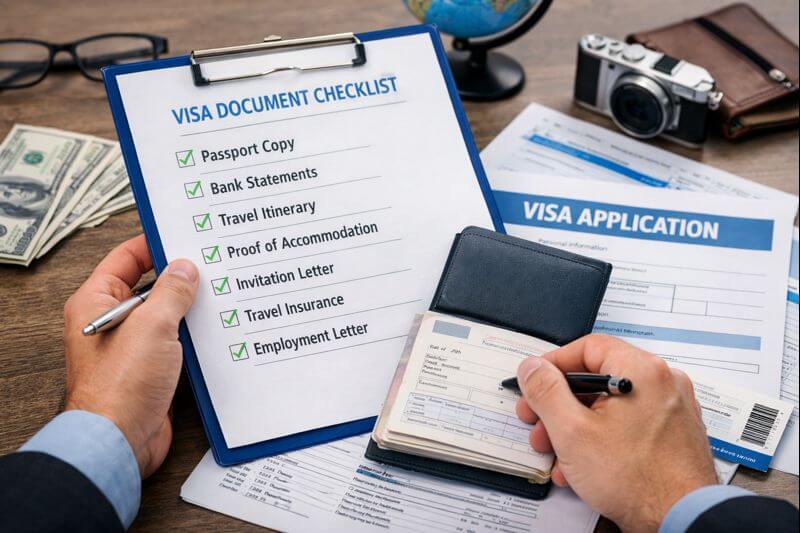
Incomplete documentation is the number one reason visa applications fail worldwide. The most commonly missing items include bank statements, invitation letters, proof of accommodation, travel insurance, and employment or school letters. Embassies rarely ask twice — if a document is missing, your application can be denied outright.
How to avoid it: use the official embassy checklist, double-check your document formats (PDF, original, notarized where required), make sure everything stays current and valid, and organize your uploads clearly. Never assume a document is “optional” — optional usually means “required if applicable to your situation.”
2. Providing False or Inconsistent Information
Any form of misrepresentation, even accidental, can lead to immediate rejection, a long-term visa ban (often 5–10 years), and a permanent mark on your immigration record. This includes mismatched travel dates across forms, fake bank statements, incorrect job titles, or altered documents.
How to avoid it: cross-check every form field, and make sure your application form, cover letter, and supporting documents all tell the exact same story. Never submit forged documents, no matter how common the practice might seem. Visa officers are trained specifically to catch inconsistencies.
3. Weak Proof of Ties to Your Home Country
Visa officers need real confidence you’ll return home after your visa expires. Weak ties — no stable job, no business ownership, no family obligations, no property or long-term commitments — read as higher overstay risk.
How to strengthen this: include an employment letter with approved leave, business registration documents, property ownership or lease agreements, marriage or family certificates, and proof of ongoing education where relevant. Students and younger applicants especially need to provide extra strong documentation here.
4. Insufficient Financial Proof
Embassies want proof you can pay for your trip, cover accommodation, handle emergencies, and still afford to return home. Common mistakes include a low bank balance, sudden large deposits, no real transaction history, or using someone else’s account without explanation.
How to avoid it: maintain consistent savings for three to six months before you apply, provide bank statements, pay slips, and sponsorship letters where applicable, and make sure your funds actually match your trip’s duration and destination costs. Applying for a UK visa with only $300 for a two-week stay, for example, is an immediate red flag.
5. Choosing the Wrong Visa Category
Applying under the wrong visa type signals poor preparation, possible undisclosed immigration intent, or a risk of illegal work. Examples include using a tourist visa to attend a conference, applying for a student visa without confirmed admission, or applying for a business visa when the real purpose is paid work.
How to avoid it: read each visa category’s definition carefully, match your primary purpose to the correct visa, and seek professional guidance if you’re genuinely unsure. In many countries, the wrong category leads to automatic refusal.
6. A Weak or Generic Cover Letter
Your cover letter explains why you’re traveling, how long you’ll stay, who’s funding the trip, and why you’ll return home. A generic or obviously copied letter damages your credibility fast.
How to write a strong one: include a clear travel purpose, exact dates, a financial explanation, and a strong justification for your return. Avoid overly emotional language, false promises, and copy-paste templates. Our full guide to writing a compelling visa cover letter walks through this step by step.
7. Poor or Nonexistent Travel History
Travel history isn’t mandatory, but it demonstrates compliance with visa rules and respect for immigration laws. Applicants with no travel history, past overstays, or previous deportations face a higher rejection risk.
How to improve this: start with visa-friendly countries, avoid overstaying anywhere, and declare all past travel honestly. One clean, well-documented trip does more for your file than several undocumented ones.
8. Applying Too Late or Too Early
Timing matters more than most applicants expect. Common mistakes include applying just weeks before travel, applying before your required documents are actually ready, or applying so early that your documents expire before a decision comes through.
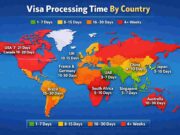
Best practice: apply two to three months before travel, check your destination’s typical processing times, and make sure your documents stay valid throughout the process.
9. Ignoring Travel Insurance Requirements
Many countries require minimum medical coverage, specific insurance providers, or coverage that spans your entire stay. Submitting the wrong type of insurance can lead directly to refusal.
How to avoid it: read your destination’s insurance requirements carefully, confirm your coverage meets the embassy’s stated minimum, and make sure your policy dates match your itinerary exactly. Our guide to what travel insurance covers breaks down what most applications actually require.
10. Inconsistent Employment or Education History
Gaps or contradictions in your employment or education history can suggest an unstable lifestyle, hidden intent, or general unreliability to a reviewing officer.
How to fix this: explain any gaps honestly — study, health, or business reasons all work — provide supporting evidence, and keep your timeline consistent across every document. Honesty with a clear explanation always beats silence.
11. A Poorly Prepared Visa Interview
Where an interview is required, common mistakes include nervous or evasive answers, contradicting your own application documents, over-explaining or lying, and not knowing basic details of your own trip.
How to prepare: review your full application thoroughly beforehand, answer confidently and concisely, and stay truthful even when you’re not entirely sure of an answer. Our visa interview questions and answers guide covers the questions officers ask most.
12. Not Properly Addressing a Previous Refusal
Failing to disclose a past visa refusal is worse than the original refusal itself.
How to handle it: declare all past refusals honestly, explain clearly what’s changed since then, and provide stronger documentation this time around. Never hide your immigration history — officers can access it, and hiding it damages your credibility more than the refusal ever did.
13. Overstaying or Violating a Previous Visa
Overstays and illegal work get permanently recorded and almost guarantee rejection on future applications.
What you can do: declare any past violations honestly, provide evidence of compliance since then, and seek professional advice before you reapply.
14. Using Unverified Agents or Fake Consultants
Many rejections trace back to fake appointment bookings, forged documents, or simply bad visa advice from unlicensed sources.

How to protect yourself: work only with verified travel or visa consultants, demand full transparency on every document, and review everything carefully before you submit. If an offer sounds too easy or too guaranteed, treat that as a warning sign, not reassurance.
Frequently Asked Questions
What’s the most common reason for visa rejection? Incomplete documentation and weak proof of ties to the home country top the list by a wide margin.
Can incorrect bank statements cause visa rejection? Yes. Insufficient funds, fake statements, or unexplained deposits routinely lead to immediate rejection.
Does one visa rejection affect future applications? It can raise scrutiny on future applications, but stronger documentation next time can overcome it.
Is lying on a visa application a permanent ban? In many countries, deliberate misrepresentation can lead to a multi-year or even permanent ban.
Final Thoughts
Visa rejections aren’t always about eligibility — they’re often about presentation, preparation, and proof. Avoiding these fourteen mistakes saves you money, protects your travel plans, and dramatically improves your approval odds.
Treat your visa application like the legal process it actually is, not a formality, and you’ll significantly improve your chances of approval. If you need assistance with visa processing, reach out to us at everymomenttravels@gmail.com.








[…] Common Visa Mistakes That Get Applications Rejected Visa Application Guide for Popular Destinations International Travel Tips: A Complete Guide for First-Time Travelers 9 Major Documents Required for International Travel […]