






























Introduction
Studying abroad ranks among the most life-changing opportunities available to students today. It opens the door to world-class education, global networking, cultural exposure, and stronger career prospects. Before you can study in another country, though, you need a student visa.
At Every Moment Travels, we guide students through this process regularly, and the same pattern repeats itself: confusing documentation, strict immigration rules, and the fear of rejection turn what should be exciting into something stressful.
This guide walks you through everything you need to know, from what a student visa actually is to preparing your documents, applying step by step, and improving your odds of approval.
What Is a Student Visa?
A student visa is an official authorization that a country’s immigration authority issues, allowing international students to enter and stay for educational purposes.
Unlike a tourist visa, a student visa lets you enroll in academic programs, stay for extended periods, work part-time in many countries, and access student-specific benefits.
Immigration authorities issue student visas for universities, colleges, language schools, vocational institutions, and exchange programs. Visa validity typically matches your program’s length.
Why Student Visas Matter
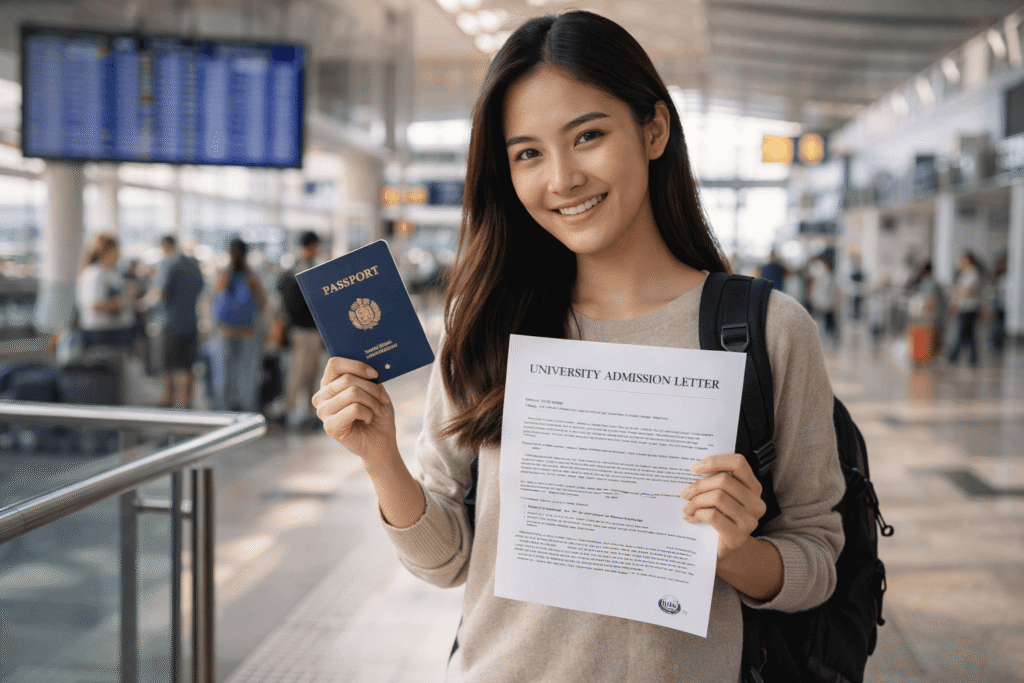
Without a student visa, international students can’t legally study in most countries. Immigration authorities require one to confirm legal entry, verify academic enrollment, monitor your stay, grant permission to remain during your studies, and, in some countries, allow part-time work.
Countries use student visas to confirm applicants genuinely intend to study and can support themselves financially throughout their stay.
Types of Student Visas
Different countries categorize student visas by program duration and study level.
| Visa Type | Purpose | Duration |
|---|---|---|
| Short-Term Study Visa | Language courses or short programs | 3–6 months |
| Long-Term Student Visa | Degree programs (Bachelor’s, Master’s, PhD) | 1–5 years |
| Exchange Student Visa | Study exchange programs | Program duration |
| Vocational Study Visa | Technical or vocational training | 1–3 years |
| Research Student Visa | Research programs or fellowships | Program duration |
Each country names its visa differently. The US calls it the F-1 Visa, the UK the Student Route Visa, Canada the Study Permit, and Australia the Subclass 500 Student Visa.
Popular Destinations for Student Visas
International students commonly choose these countries for their strong education systems and post-study opportunities.
| Country | Popular Programs | Work Opportunities |
|---|---|---|
| USA | STEM, Business | Optional Practical Training |
| UK | Business, Finance | Graduate Route Visa |
| Canada | Technology, Healthcare | Post-Graduate Work Permit |
| Australia | Engineering, Nursing | Temporary Graduate Visa |
| Germany | Engineering, Research | 18-month job search visa |
Each of these countries pairs high-quality education with real international career opportunities.
Step-by-Step: Applying for a Student Visa
Understanding the process ahead of time makes the application itself far less stressful.
Step 1: Choose Your Study Destination
Start by selecting your target country. Weigh tuition fees, visa approval rates, work opportunities, post-study immigration options, and language requirements.
Step 2: Apply to Universities
You need admission from a recognized institution before you can apply for a visa. Universities typically require academic transcripts, your international passport, English language test results, a statement of purpose, and recommendation letters. Once you’re accepted, the university issues an offer or admission letter.
Step 3: Receive Confirmation of Enrollment
Some countries require an additional document after admission.
| Country | Enrollment Document |
|---|---|
| USA | I-20 Form |
| Canada | Letter of Acceptance |
| UK | CAS (Confirmation of Acceptance for Studies) |
| Australia | Confirmation of Enrollment |
Your visa application needs this document, so request it as soon as your admission comes through.
Step 4: Prepare Your Documents
Gather your supporting documents before you submit anything. Most applications require a valid international passport, your admission letter, passport photographs, financial proof, academic transcripts, English test results, a medical examination report, and a police clearance certificate.
Complete documentation significantly improves your approval odds.
Step 5: Submit Your Application
Most countries accept applications through their official immigration websites. The typical process runs: create your immigration account, complete the application form, upload your documents, pay the visa fee, and book your biometrics appointment.
Step 6: Attend Biometrics or Your Visa Interview
Some countries require fingerprints, a photograph, and interview questions about your study plans — commonly why you chose your university, who’s sponsoring your education, and what your career plans look like after graduation.
Step 7: Wait for the Decision
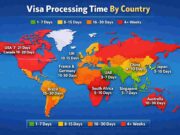
Processing times vary by country.
| Country | Average Processing Time |
|---|---|
| USA | 3–6 weeks |
| Canada | 4–12 weeks |
| UK | 3–8 weeks |
| Australia | 4–10 weeks |
Applying early helps you avoid unnecessary delays.
Student Visa Requirements Checklist

Confirm you have everything below before you submit.
- Valid international passport
- University admission letter
- Visa application form
- Passport photographs
- Academic certificates
- English language test (IELTS/TOEFL)
- Proof of funds
- Medical examination results
- Police clearance certificate
- Visa application fee receipt
Missing documents remain one of the most common causes of rejection.
Proof of Funds for Student Visas
Immigration authorities need proof you can afford your education and living costs.
Acceptable financial proof includes: bank statements, scholarship letters, sponsorship letters, education loan approval, and financial guarantee documents.
Estimated financial requirements:
| Country | Minimum Funds Required |
|---|---|
| USA | $25,000 – $50,000 yearly |
| Canada | CAD $20,000 yearly |
| UK | £1,334/month (London) |
| Australia | AUD $24,505 yearly |
These figures shift periodically and vary by city and university — confirm the current threshold directly with your destination’s immigration authority before you budget around it.
English Language Requirements
Most international universities require proof of English proficiency.
| Test | Minimum Score |
|---|---|
| IELTS | 6.0 – 7.5 |
| TOEFL | 80 – 100 |
| PTE | 55 – 70 |
| Duolingo | 100 – 120 |
Some universities waive this requirement if you previously studied in English.
Student Visa Interview Tips
Interviews exist to confirm you genuinely intend to study. Stay honest and confident, know your program details cold, explain your career goals clearly, show strong financial backing, and demonstrate your intent to return home where required. Real preparation raises your odds of success meaningfully.
For a deeper walkthrough, our student visa interview tips guide covers common questions and how to answer them.
Comparing Major Student Visas
| Feature | USA | UK | Canada | Australia |
|---|---|---|---|---|
| Work hours | 20 hrs/week | 20 hrs/week | 20 hrs/week | 48 hrs/fortnight |
| Post-study work | OPT | Graduate Route | PGWP | Temporary Graduate Visa |
| Visa duration | Program length | Program length | Program length | Program length |
| Dependents allowed | Yes | Yes | Yes | Yes |
Weigh your long-term career goals carefully when choosing a country.
Expert Tips to Improve Your Approval Odds
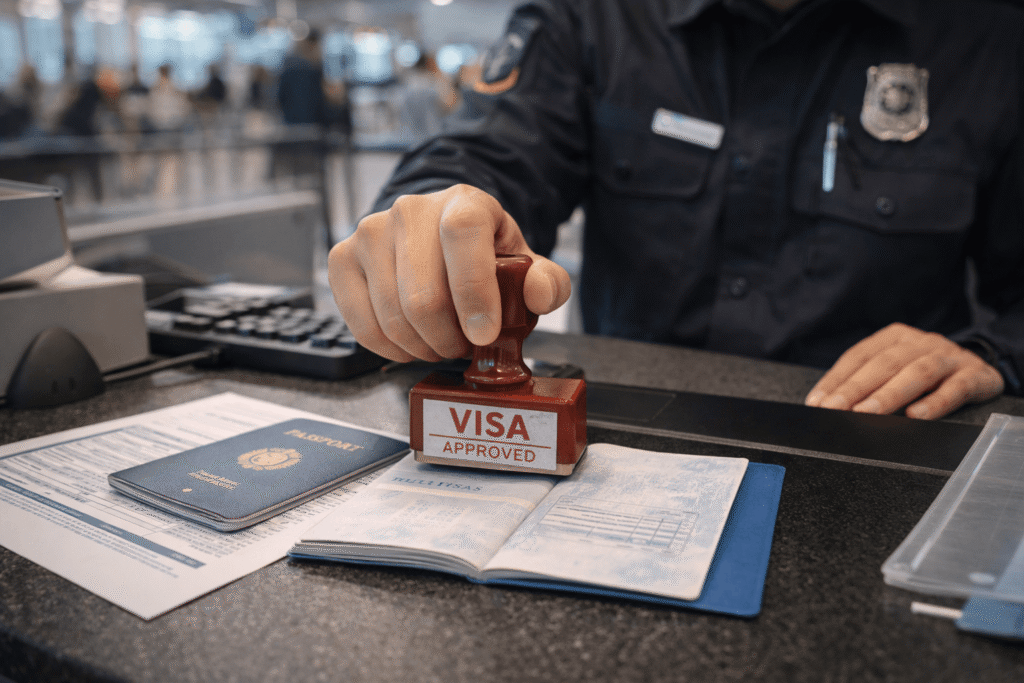
Provide strong financial proof. Clear documentation shows you can genuinely support yourself throughout your studies.
Submit complete documentation. Missing or incomplete documents remain a leading cause of refusal.
Show clear study intent. Explain specifically how your program connects to your career goals.
Choose accredited institutions. Applying to recognized universities strengthens your credibility.
Apply early. Processing delays can derail your travel and enrollment plans if you wait too long.
Common Mistakes to Avoid
Incomplete applications. Missing documents lead to immediate rejection in most systems.
Weak financial evidence. Officers need real confidence you can fund your studies, not just a passing mention of support.
Poor interview preparation. Vague study goals create doubt about your genuine intent.
Applying too late. Late applications can delay your enrollment entirely.
Working with unlicensed agents. Only work with licensed education consultants you can verify.
Before you apply, it’s worth understanding the differences between tourist visas and student visas.
Student Visa Fees (Estimated)
| Country | Visa Fee |
|---|---|
| USA | $185 |
| UK | £490 |
| Canada | CAD $150 |
| Australia | AUD $710 |
Budget for additional costs too, including biometrics fees, medical exams, and document translation. Also plan for travel insurance before you depart.
Can Students Work While Studying?
Many countries allow international students to work part-time.
| Country | Work Limit |
|---|---|
| USA | 20 hrs/week |
| UK | 20 hrs/week |
| Canada | 20 hrs/week |
| Australia | 48 hrs/fortnight |
Working helps you cover living expenses and gain real-world experience alongside your studies.
Post-Study Work Opportunities
Several countries let graduates stay and work after finishing their studies.
| Country | Post-Study Work Duration |
|---|---|
| Canada | Up to 3 years |
| UK | 2 years |
| Australia | 2–4 years |
| Germany | 18 months |
These programs give graduates a real runway into permanent employment.
Frequently Asked Questions
Can I apply for a student visa without admission first? No. You need admission from a recognized educational institution before you can apply.
How long does a student visa last? Most student visas stay valid for the length of your academic program.
Can I extend a student visa? Yes, extensions are generally possible if you continue studying or pursue a higher degree.
Can family members join me on a student visa? Many countries allow spouses and children to accompany international students.
What happens if my student visa gets rejected? You can reapply once you’ve corrected the specific issues that caused the refusal.
Final Thoughts

A student visa is your gateway to studying abroad and building an international career. The process can feel complicated at first, but real preparation significantly raises your approval odds.
Focus on choosing the right country and university, preparing strong documentation, demonstrating your financial capability, and clearly explaining your study intentions. Get those right, and a student visa becomes a manageable, rewarding step toward your education abroad.
Once your visa comes through, book your flight next — our guide to finding cheap international flights can help you save on the trip itself.