






























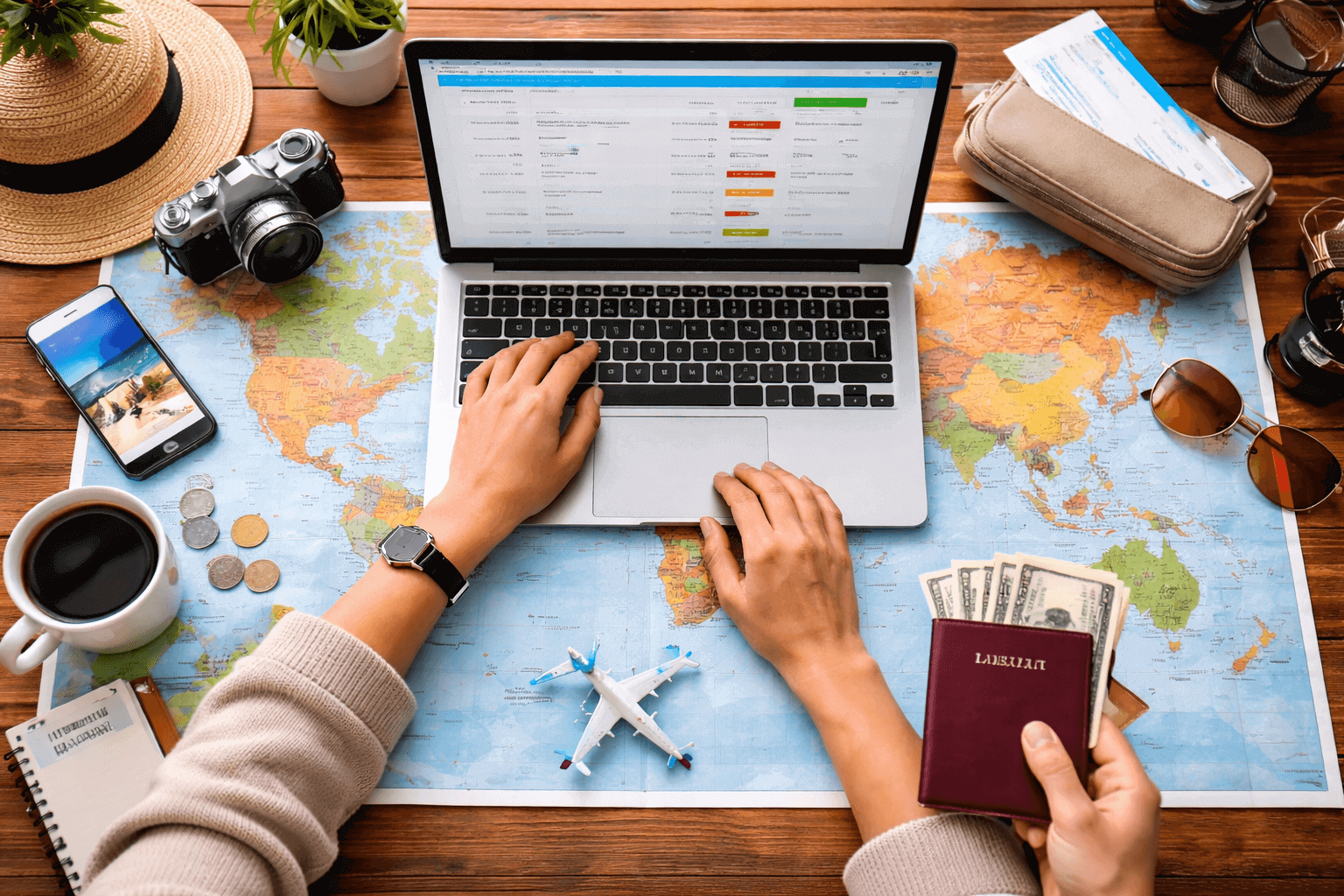
Traveling the world is one of life’s greatest experiences, but it can quickly get expensive and stressful without the right strategy. At Every Moment Travels, we see this constantly: travelers who know the right hacks pack more efficiently, find genuinely cheaper flights, and save real money throughout their trip.
Whether you’re a student traveler, a frequent flyer, a digital nomad, or planning your first international trip, this guide covers the most effective travel hacks for packing, booking flights, and saving money — the kind of strategies that reduce costs, help you avoid common mistakes, and make the whole experience noticeably smoother.
Why Travel Hacks Matter More Than Ever
Travel costs keep climbing globally, driven by inflation, rising airline fuel costs, and strong accommodation demand. Small, strategic decisions can still cut expenses significantly, though — smart travelers consistently save hundreds or even thousands of dollars using fairly simple techniques: reducing overall travel costs, avoiding unnecessary baggage fees, packing lighter, finding better deals on flights and accommodation, and generally traveling with less stress.
Let’s walk through the most useful hacks across three categories: packing, flights, and money saving.
Packing Hacks for Smart Travelers

Packing efficiently can genuinely make or break a trip. Overpacking increases baggage fees, adds unnecessary stress, and makes getting around harder once you’re actually there.
Roll your clothes instead of folding them. Rolling saves space, prevents wrinkles, and makes your bag easier to organize — it works especially well for t-shirts, jeans, casual wear, and lightweight fabrics. Rubber bands can help keep rolled items compact.
Use packing cubes. They organize your luggage into clear categories — clothing, toiletries, accessories — and make both packing and unpacking noticeably faster. Frequent travelers swear by this one specifically.
Follow a simple minimalist packing rule. A structure like 5 tops, 4 bottoms, 3 pairs of shoes, 2 jackets or dresses, and 1 accessory set helps prevent overpacking by design — adjust the numbers based on your destination and trip length.
Pack versatile clothing. Neutral colors, pieces you can mix and match, layer-friendly outfits, and wrinkle-resistant fabrics all reduce both your luggage size and the daily stress of deciding what to wear.
Wear your bulkiest items on the plane. Heavy jackets, boots, or sweaters worn during the flight save real luggage space and help you avoid overweight baggage fees — useful in cold airports or on long-haul flights too.
Use travel-size toiletries. Refillable containers, or simply buying toiletries once you arrive, both help you comply with airline liquid restrictions and save space at the same time.
Digitize your travel documents. Scan your passport, visa, travel insurance, and flight and hotel bookings, and store copies in cloud storage — genuinely valuable if anything gets lost.
Pack your essentials in your carry-on. Always keep important documents, medications, electronics, chargers, and a change of clothes in your hand luggage. Lost or delayed luggage does happen, and being prepared for it costs nothing.
Flight Booking Hacks to Save Money
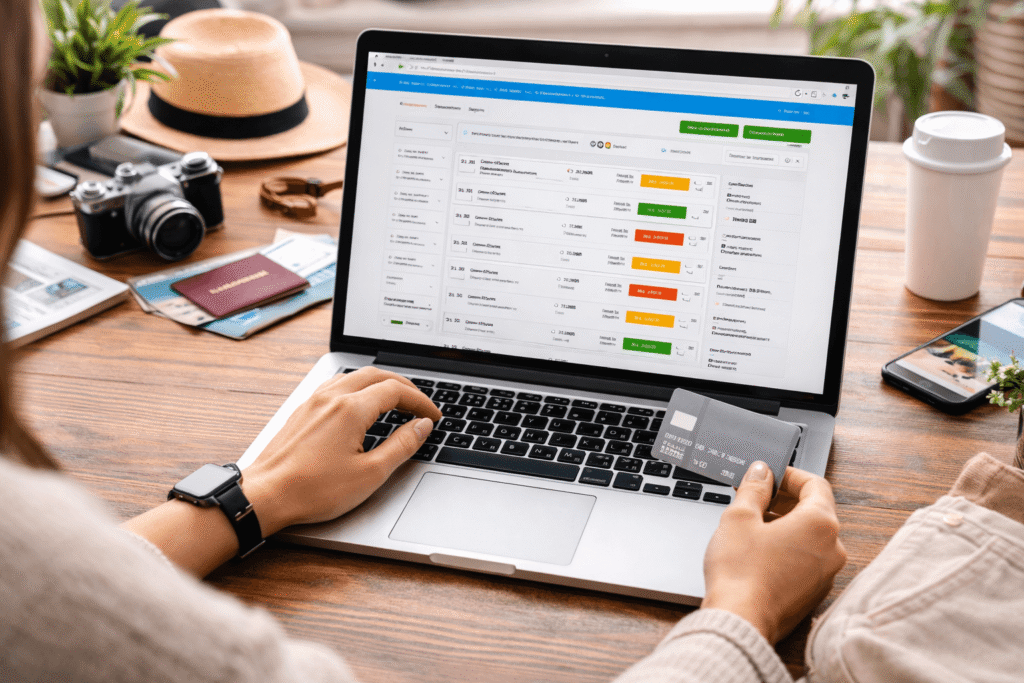
Airfare typically eats up the largest share of any travel budget, and booking strategically can meaningfully cut that cost.
Compare prices across multiple platforms. Never book on the first site you check — comparison tools like Skyscanner, Google Flights, and Kayak show you the cheapest available dates and routes side by side.
Book at the right time. For international travel, booking three to six months ahead typically gets the best prices, while one to three months tends to work for domestic flights. Tuesdays and Wednesdays are often cheaper days to book, and last-minute bookings should generally be avoided if you have any flexibility.
Travel on cheaper days where you can. Tuesday, Wednesday, and Saturday tend to run cheaper than the rest of the week.
Use flexible date searches. Letting your dates shift by even a day or two can unlock meaningfully cheaper fares and help you dodge peak pricing.
Set price alerts. Fare-tracking tools notify you the moment a price drops, so you’re not manually checking every day.
Consider nearby airports. Flying from or into a secondary airport can significantly cut costs, since these airports often carry lower fees.
Use airline reward programs. Frequent flyer programs offer free flights, upgrades, lounge access, and priority boarding — genuinely worth signing up for if you travel often.
Travel with carry-on only where possible. Many airlines charge heavily for checked luggage, and traveling light saves both money and time at the airport.
Money-Saving Travel Hacks
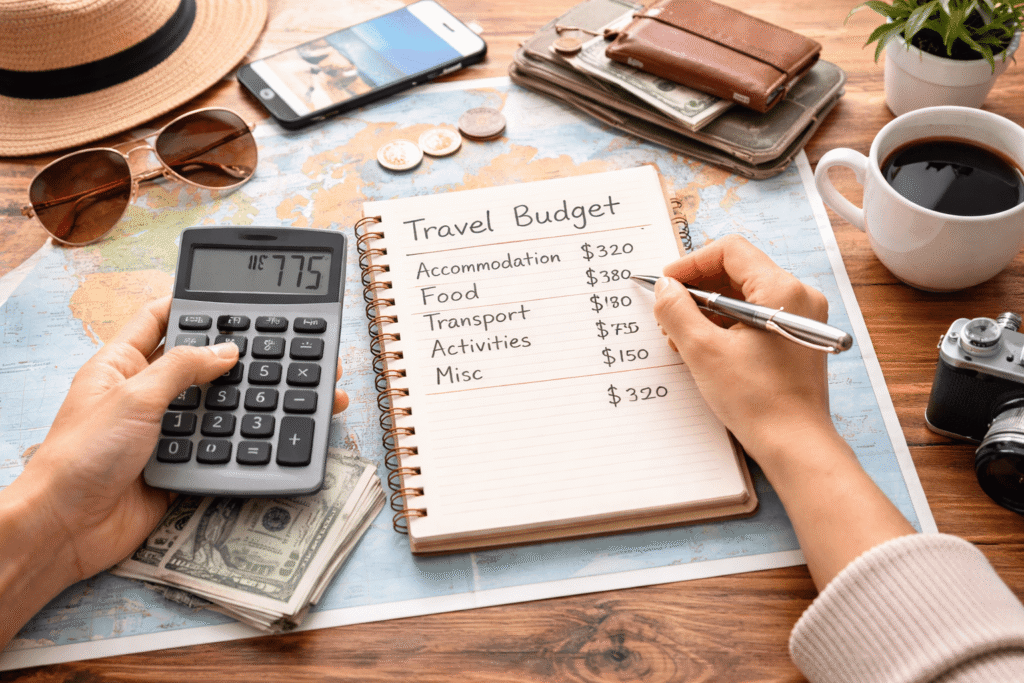
Saving money while traveling means longer trips and more memorable experiences overall — smart financial planning is what makes that possible.
Set a daily travel budget and track your spending across accommodation, food, transport, and activities — this alone prevents most overspending.
Use public transportation. Buses, trains, and metro systems are consistently cheaper than taxis or ride-sharing.
Eat local food. Street food and local markets offer a more authentic experience, usually at a fraction of what tourist restaurants charge.
Travel during off-peak seasons, when accommodation and flights both run cheaper and crowds thin out.
Choose budget accommodation. Hostels, guesthouses, and short-term rentals are often genuinely good alternatives to hotels.
Avoid airport currency exchange. Airport counters consistently offer poor rates — use a local ATM or bank instead.
Get travel insurance. It protects you from unexpected financial losses — medical emergencies, trip cancellations — that a budget alone can’t absorb.
A Few More Hacks Worth Knowing
Download offline maps to avoid roaming charges, carry a power bank for long journeys, use a VPN on public Wi-Fi, pack a reusable water bottle, bring snacks to skip expensive airport food, and check visa requirements early rather than at the last minute.
Common Travel Mistakes to Avoid
Overpacking, booking flights last minute, skipping travel insurance, not comparing prices, exchanging currency at the airport, and not tracking expenses are the mistakes we see cost travelers the most, consistently.
The Real Value: Combining Multiple Hacks
The biggest savings come from stacking these strategies together, not relying on just one. Pack light, book flights early, use reward programs, travel off-season, track your expenses, and stay flexible with your dates — combined, these build a genuinely powerful system rather than a handful of isolated tips.
Final Thoughts: Travel Smarter, Not Harder
Travel doesn’t have to be expensive or stressful. Applying these hacks for packing, flights, and money saving can meaningfully reduce your costs, keep you more comfortable, and let you explore more destinations over time. Smart travel really comes down to preparation, flexibility, and informed decisions — start applying a few of these on your next trip, and the savings add up faster than most people expect.